Every human heart carries silent prayers. Some are whispered in the darkness of the night. Some are cried in sujood when words fail. Some are tears that never reach the tongue.
Allah “The Most High“ knew this weakness of the human heart and out of His mercy, He did not leave us to guess how to ask Him. Instead, He revealed His own words as most powerful Dua’s in the Quran. Not just any words but perfect, divinely chosen supplications, uttered by Prophets, Angels, and the righteous and preserved for us until the Day of Judgment. The Messenger of Allah (ﷺ) said:
Indeed the supplication is the worship. Then he recited: “And your Lord says: Call upon Me; I will respond to you.” Quran 40:60 (Sunan Ibn Majah 3828)
Among the most powerful dua’s from the Quran, it serves as a reminder of the significance of these supplications in our daily lives.
Table of Contents
Why Quranic Duas Are the Most Profound Supplications
Among the most powerful duas from the Quran are those that highlight the essence of faith and supplication. It carries a distinct, layered strength that elevates it beyond casual personal prayers. Before we invoke it, we need to recognize it’s unique importance.
- Divine Approval (Wahy): These are words that Allah Himself chose to preserve and teach humanity. Their structure, timing, and phrasing are perfect.
- Prophetic/Righteous Precedent: They were the chosen supplications of Prophets (Anbiya) like Adam, Nuh, Ibrahim, Musa, and Muhammad (peace be upon them all), meaning they were tested and perfected in the moments of the greatest trials.
- Holistic Scope: They often cover several key themes of faith from Tawhid (Oneness of God), Istighfar (seeking forgiveness), Qadr (acceptance of Divine Decree), and a balance between Dunya (this world) and Akhirah (the Hereafter).
“The reality of supplication is to display one’s complete neediness before Allah and to free oneself from reliance on personal power or strength. This is among the greatest forms of worship.”
1: The Mother of Supplications - Dua that Secures this World and the Hereafter
رَبَّنَا آتِنَا فِي الدُّنْيَا حَسَنَةً وَفِي الْآخِرَةِ حَسَنَةً وَقِنَا عَذَابَ النَّارِ
Our Lord, grant us good in this world and good in the Hereafter, and protect us from the punishment of the Fire.
Transliteration: Rabbana atina fid-dunya hasanah wa fil-akhirati hasanah wa qina ‘adhaban-nar (Quran 2:201)
This is perhaps the most powerful dua and frequently recited and universally applicable supplication taught by Allah “The Most High” in the very chapter of Surah Al-Baqarah. Its power lies in its perfect balance and all-encompassing brevity. “Good in this world” (hasanah) includes every lawful benefit, “Good in the Hereafter” culminates in Paradise along with the final plea for protection from Hellfire and that is the ultimate safety net.
Context of Revelation & Authentic Tafsir
This verse is presented in contrast to the prayer of those who only say, “Our Lord, give us in this world!” (Quran 2:200), meaning, they have no share in the Hereafter. This criticism serves to discourage other people from imitating those mentioned and showing the believer’s balanced perspective.
Scholars of Tafsir states “hasanah in this world” encompasses all forms of goodness including personal and family health, increase and benedictory sufficiency (barakah بَرَکَۃ) in lawful livelihood, spacious dwelling, pleasing mates, good profession, virtuous deeds, desirable morals, beneficial knowledge, honour and prestige, strength of faith, guidance into the straight path and perfect sincerity in ibadat عبادہ, the fulfillment of all needs. In the Hereafter shall cover everything from forgiveness, safety from hell, acquiring the Paradise, with its countless and endless blessings to the pleasure of Allah “The Almighty” and the privilege of seeing Him.
Prophet’s Narrations & Connection to Sunnah
Anas ibn Malik (RA) reported that the most frequent supplication of the Prophet (ﷺ) was: “Our Lord, give us in this world good and in the Hereafter good, and protect us from the punishment of the Fire.” (Sahih al-Bukhari 6389)
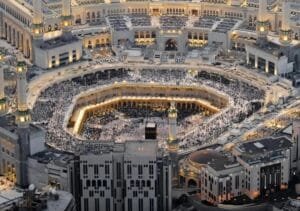
The Prophet (ﷺ) recited the between these two corners from Rukn al-Yamani (Yemeni Corner) and the Black Stone during Tawaf “Our Lord, give us in this world good and in the Hereafter good, and protect us from the punishment of the Fire.” (Sunan Abi Dawud 1892)
Rewards, Benefits & Practical Integration
The Comprehensive Blessing: It is a brief prayer that encompasses all necessary blessings. A person reciting this Dua doesn’t need to list individual requests. It covers all good in both worlds.
Protection from Hellfire: The final clause is a guarantee of protection if accepted.
Sunnah Benefit: Following the Prophet’s (صلى الله عليه وسلم) greatest practice ensures one is treading the most beloved path to Allah. Making this Dua during Tawaf (circumambulation) in Hajj/Umrah is a highly recommended Sunnah act, specifically taught by the Prophet (صلى الله عليه وسلم).
How to Benefit:
Daily Essential: Make this a non-negotiable part of your morning and evening adhkar. Recite it at least 7 times.
After Every Obligatory Prayer: It is highly recommended to recite this after the Tashahhud and before the Tasleem (final salutation).
In Times of Need: Whenever you face a distinct requirement be it a job, marriage, or health, initiate with this all-encompassing dua, and then proceed with your specific request. This practice ensures that your individual request is encompassed within the overall good. Prayer is a crucial component of faith, and the most powerful duas from the Quran guide us in articulating our needs to Allah.
2: The Dua That Defines True Guidance and Steadfastness
رَبَّنَا لَا تُزِغْ قُلُوبَنَا بَعْدَ إِذْ هَدَيْتَنَا وَهَبْ لَنَا مِن لَّدُنكَ رَحْمَةً ۚ إِنَّكَ أَنتَ ٱلْوَهَّابُ
Our Lord! Do not let our hearts deviate after you have guided us. Grant us Your mercy. You are indeed the Giver ˹of all bounties.
Transliteration: Rabbana la tuzigh qulubana ba‘da idh hadaytana wa hab lana min ladunka rahmah, innaka Anta Al-Wahhab (Quran 3:8)
Allah says: “As for those in whose hearts is deviation…” (Quran 3:7) then He contrasts them with believers who make this Dua. This is a profound recognition that guidance (Hidayah) is not guaranteed but must be actively maintained and constantly asked for. It is a prayer for protection from all forms of deviation: heresy, doubt, misinterpretation, and turning away from the truth. It couples this plea with a request for Divine Rahmah (mercy), the very substance of spiritual survival and acknowledging Allah as Al-Wahhab (The Constant Giver).
Context of Revelation & Authentic Tafsir
This verse appears in Surah Ali ‘Imran, amidst verses discussing the allegorical verses (Mutashabihat) of the Quran. Ibn Kathir explains that this supplication was made by the sincere, knowledgeable companions when they heard about those with sickness in their hearts who twisted the meanings of ambiguous verses to create doubt. The phrase “from Yourself” (مِن لَّدُنكَ) emphasizes seeking a special, direct, and sustaining mercy (رَحْمَةً), not just general benevolence to make our hearts firm, and increase in our Faith and certainty.
Prophet’s Narrations & Connection to Sunnah
This Dua is a strong reminder of the Prophet’s (صلى الله عليه وسلم) most frequent prayer regarding the heart. He used to say:
“O Changer of the hearts, make my heart firm upon Your religion (Yā Muqallibal-qulūb, thabbit qalbī `alā dīnik). Then he recited, رَبَّنَا لاَ تُزِغْ قُلُوبَنَا بَعْدَ إِذْ هَدَيْتَنَا وَهَبْ لَنَا مِن لَّدُنكَ رَحْمَةً إِنَّكَ أَنتَ الْوَهَّابُ. When asked why do you supplicate so frequently. He said: ‘Verily, there is no human being except that his heart is between Two Fingers of the Fingers of Allah, so whomsoever He wills He makes steadfast, and whomever He wills He causes to deviate.’” (Jami` at-Tirmidhi 3522)
Rewards, Benefits & Practical Integration
Reward: The preservation of one’s most precious asset’s are correct faith and a sound heart which is the key to success in both worlds.
Benefits: It acts as a spiritual vaccine against doubt, hypocrisy, and ideological deviation. It fosters intellectual humility, keeping one reliant on Allah for understanding. It brings emotional stability, anchoring the believer in Divine mercy amidst life’s chaos.
How to Benefit: Make this your daily shield, especially:
After acquiring new Islamic knowledge: To ask Allah “The Most High” to protect that knowledge from becoming a source of arrogance or misguidance.
During times of intellectual or spiritual confusion: When faced with challenging questions or heretical ideas.
When witnessing trials of faith in others: To seek protection for yourself.
As a constant silent prayer: In gatherings of knowledge, while listening to the Quran, or during moments of reflection. These powerful dua’s from the Quran, are a source of strength and guidance.
3: The Dua That Wipes Away Sin and Misdeed Completely and ask for Righteous Ending
رَبَّنَآ إِنَّكَ مَن تُدْخِلِ ٱلنَّارَ فَقَدْ أَخْزَيْتَهُۥ ۖ وَمَا لِلظَّـٰلِمِينَ مِنْ أَنصَارٍۢ ١٩٢
Our Lord! Indeed, those You commit to the Fire will be ˹completely˺ disgraced! And the wrongdoers will have no helpers.
رَّبَّنَآ إِنَّنَا سَمِعْنَا مُنَادِيًۭا يُنَادِى لِلْإِيمَـٰنِ أَنْ ءَامِنُوا۟ بِرَبِّكُمْ فَـَٔامَنَّا ۚ رَبَّنَا فَٱغْفِرْ لَنَا ذُنُوبَنَا وَكَفِّرْ عَنَّا سَيِّـَٔاتِنَا وَتَوَفَّنَا مَعَ ٱلْأَبْرَارِ ١٩٣
رَبَّنَا وَءَاتِنَا مَا وَعَدتَّنَا عَلَىٰ رُسُلِكَ وَلَا تُخْزِنَا يَوْمَ ٱلْقِيَـٰمَةِ ۗ إِنَّكَ لَا تُخْلِفُ ٱلْمِيعَادَ ١٩٤
رَبَّنَآ إِنَّكَ مَن تُدْخِلِ ٱلنَّارَ فَقَدْ أَخْزَيْتَهُۥ ۖ وَمَا لِلظَّـٰلِمِينَ مِنْ أَنصَارٍۢ ١٩٢
Our Lord! Indeed, those You commit to the Fire will be ˹completely˺ disgraced! And the wrongdoers will have no helpers.
رَّبَّنَآ إِنَّنَا سَمِعْنَا مُنَادِيًۭا يُنَادِى لِلْإِيمَـٰنِ أَنْ ءَامِنُوا۟ بِرَبِّكُمْ فَـَٔامَنَّا ۚ رَبَّنَا فَٱغْفِرْ لَنَا ذُنُوبَنَا وَكَفِّرْ عَنَّا سَيِّـَٔاتِنَا
وَتَوَفَّنَا مَعَ ٱلْأَبْرَارِ ١٩٣
رَبَّنَا وَءَاتِنَا مَا وَعَدتَّنَا عَلَىٰ رُسُلِكَ وَلَا تُخْزِنَا يَوْمَ ٱلْقِيَـٰمَةِ ۗ إِنَّكَ لَا تُخْلِفُ ٱلْمِيعَادَ ١٩٤
Transliteration: Rabbanaaa innaka man tudkhilin Naara faqad akhzai tahoo wa maa lizzaalimeena min ansaar.Rabbanaaa innanaa sami’naa munaadiyai yunaadee lil eemaani an aaminoo bi Rabbikum fa aamannaa; Rabbanaa faghfir lanaa zunoobanaa wa kaffir ‘annaa saiyi aatina wa tawaffanaa ma’al abraarRabbanaa wa aatinaa maa wa’attanaa ‘alaa Rusulika wa laa tukhzinaa Yawmal Qiyaamah; innaka laa tukhliful mee’aad. (Quran 3:192 – 194)
Context of Revelation & Authentic Tafsir
There appears a set of pleas and prayers from people who realized that this universe is no exercise in futility and that is brimming with open proofs of the great power and wisdom of its Creator. So, once they knew their Creator and Sustainer, they submitted before Him.
- The first request they make is: فَقِنَا عَذَابَ النَّارِ Save us from the Fire. (Quran 3:191)
- The second request is to save us from the disgrace of the Here-after for whoever is condemned to the Fire stands humiliated before the whole world. Some scholars have said that humiliation on the plains of Resurrection will be so disgraceful a punishment that one would wish to be cast into the (fire of) Hell but that the multitudes present on that fateful day do not get to hear about his or her misdeeds. (Quran 3:192)
- The third request is: We have heard the message given by the herald sent by You, that is, the message of the Messenger of Allah and we believed in him. So, forgive our major sins and expiate our shortcomings and misdeeds and give us death in the company of the righteous, that is, make us a part of their group.’ (Quran 3:193)
- These three requests were aimed at safety against punishment and pain and loss. The fourth request is about promised blessings, the blessings of Paradise promised through the noble prophets. This prayer for blessings is being made with the added request that there be no disgrace on the Day of Judgment. In other words, the request is to be excused from the torturous procedure of accounting (for all of one’s deeds), disgrace (as a result of misdeeds) and then forgiveness (on account of Allah’s mercy). (Quran 3:194)
Ibn Al-Qayyim’s insight in “Madaarij al-Salikin”: “Indeed, You do not fail in [Your] promise”
“This concluding statement transforms the dua from begging to confident request. It’s saying: ‘We’re not asking for something unlikely; we’re asking You to be true to Your nature as Promise-Keeper.’ This is دعاء بالصفة (supplication through divine attributes).”
Prophet’s Narrations & Connection to Sunnah
It was the Prophet’s tradition to recite the ten Ayat at the end of Surah Al `Imran when he woke up at night for (voluntary) prayer.
“Ibn `Abbas said, “I slept one night at the house of my aunt, Maymunah. The Messenger of Allah ﷺ went to sleep and slept till midnight or nearly so and woke up rubbing his face and recited ten verses from Surat “Al-`Imran.” Allah’s Messenger (ﷺ) went towards a leather skin and performed ablution in the most perfect way and then stood for the prayer.” (Sahih al-Bukhari 992)
Rewards, Benefits & Practical Integration
- Comprehensive Forgiveness Package: This dua includes multiple dimensions of istighfar from sins and misdeeds.
- Protection from Disgrace: Allah tells us in the (Quran 10:62) that His Awliya’ (friends and allies) are those who believe and have Taqwa of Allah as He defined them. Every pious, God-fearing person is a friend of Allah, therefore, لاَ خَوْفٌ عَلَيْهِمْ (no fear shall come upon them) from the future horrors they will face in the Hereafter.
Guaranteed Good Ending: “Whoever’s last words are لا إله إلا الله (There is no god but Allah) enters Paradise.” (Sunan Abi Dawud 3116) This dua programs the tongue and heart for that ending.
How to Benefit:
Recite daily for repentance, forgiveness of sins and misdeeds, join the righteous people when die and paradise in the hereafter.
4: The Dua of Acceptance and Repentance: The Prayer of Adam and Eve
رَبَّنَا ظَلَمْنَآ أَنفُسَنَا وَإِن لَّمْ تَغْفِرْ لَنَا وَتَرْحَمْنَا لَنَكُونَنَّ مِنَ ٱلْخَـٰسِرِينَ
Our Lord! We have wronged ourselves. If You do not forgive us and have mercy on us, we will certainly be losers.
Transliteration: Rabbana zalamna anfusana wa illam taghfir lana wa tarhamna lanakoonanna minal-khasireen (Quran 7:23)
Context of Revelation & Authentic Tafsir
Revealed in the context of the story of Sayyidna ‘Adam (علیہ السلام) and Hawwa (علیہ السلام) in Surah Al-A’raf. After being misled by Satan and eating from the forbidden tree, they immediately turned to Allah. Ibn Al-Qayyim, in “Madaarij al-Salikeen,” highlights the perfection of this supplication: they acknowledged the wrong was done to their own souls, not blaming Satan or fate. They coupled their plea for forgiveness (ghufran) with a plea for mercy (rahmah), seeking both the removal of evil and the bestowal of good. The final phrase, lanakoonanna minal-khasireen (we will surely be among the losers), expresses absolute certainty that without Allah’s intervention, all is lost. It is a powerful expression of utter dependence (Tawakkul).
Prophet’s Narrations & Connection to Sunnah
The Prophet (pbuh) frequently sought forgiveness, often saying “Astaghfirullah” (I seek Allah’s forgiveness) more than 70 times a day (Sahih al-Bukhari 6307). He taught the comprehensive prayer for forgiveness, “Sayyid al-Istighfar” (The Master of Seeking Forgiveness), which contains similar themes of acknowledging wrong and relying solely on Allah’s mercy (Sahih al-Bukhari 6323). This dua of Adam is the root of all such istighfar.
In hadith Qudsi, The Messenger of Allah (ﷺ) say: Allah the Almighty said:
O son of Adam, so long as you call upon Me and ask of Me, I shall forgive you for what you have done, and I shall not mind. O son of Adam, were your sins to reach the clouds of the sky and were you then to ask forgiveness of Me, I would forgive you. O son of Adam, were you to come to Me with sins nearly as great as the earth and were you then to face Me, ascribing no partner to Me, I would bring you forgiveness nearly as great as it. (Hadith 34, 40 Hadith Qudsi)
Rewards, Benefits & Practical Integration
Reward: The certain acceptance of repentance. Allah says in the very next verse (7:24): “He said, ‘Descend, being to one another enemies. And for you on the earth is a place of settlement and enjoyment for a time.’” Their dua was immediately answered.
Benefits: It lifts despair, cleanses the heart from the stain of sin, and restores confidence in Allah’s endless mercy.
How to Benefit: Make this your go-to prayer after committing any sin, major or minor. Recite it with heartfelt presence. Incorporate it into your nightly worship (before sleep), linking your human fallibility to the origin of the human story.
5: The Dua That Breaks the Darkness - Prayer of Yunus علیہ السلام (Jonah) in the Belly of the Whale
لَّآ إِلَـٰهَ إِلَّآ أَنتَ سُبْحَـٰنَكَ إِنِّى كُنتُ مِنَ ٱلظَّـٰلِمِينَ
There is no god ˹worthy of worship˺ except You. Glory be to You! I have certainly done wrong.
Transliteration: La ilaha illa Anta, subhanaka inni kuntu minaz-zalimeen (Quran 21:87)
Context of Revelation & Authentic Tafsir
According to the scholars of tafsir, Yunus (peace be upon him) was sent to the people of Nineveh (modern-day Mosul, Iraq), After prolonged rejection, he left them in anger, threatening them with divine punishment after three days. When they showed initial signs of rejection, he left without awaiting Allah’s command, expecting their destruction. When they realized that he was telling the truth and that a Prophet never lies, they went out to the desert with their children and cattle and flocks. They begged Allah and pleaded to Him, and he accepted their sincere prayer and spared them from the punishment. While all these events were taking place, sayyidna Yunus (علیہ السلام) he boarded a boat. After setting sail, the boat started sinking. When lots were drawn, the name of Jonah came up and he was thrown overboard. At that moment a big fish appeared and swallowed him. In the darkness of three levels (sea, night, fish’s belly), he made this dua.
Prophet’s Narrations & Connection to Sunnah
The Messenger of Allah (ﷺ) said:
“The supplication of Dhun-Nun (Yunus, peace be upon him) when he called upon Allah from the belly of the whale: “La ilaha illa Anta, Subhanaka, inni kuntu minaz-zalimin.” No Muslim ever supplicates with it for anything but Allah will answer him.” (Jami` at-Tirmidhi 3505)
Rewards, Benefits & Practical Integration
Rewards: The direct reward mentioned in the Hadith is that Allah will answer the supplication made with this Dua.
Benefits: It is the key to dissolving worries, fears, and life’s darkness.
Sunnah Benefit: A Muslim benefits by reciting this Dua during extreme anxiety, severe illness, or when facing debt or imprisonment or When feeling trapped, affirming their total reliance on Allah’s power to create a way out of the impossible.
6: The Prayer for Ease, Eloquence & Success in Mission: The Dua of Musa علیہ السلام (Moses)
رَبِّ ٱشْرَحْ لِى صَدْرِى .وَيَسِّرْ لِىٓ أَمْرِى .وَٱحْلُلْ عُقْدَةًۭ مِّن لِّسَانِى .يَفْقَهُوا۟ قَوْلِى
My Lord, expand for me my breast [with assurance]. And ease for me my task. And untie the knot from my tongue. That they may understand my speech.
Transliteration: Rabbish rah lee sadree, Wa yassir leee amree, Wahlul ‘uqdatan milli saanee, Yafqahoo qawlee. (Quran 20:25-28)
Context of Revelation & Authentic Tafsir
Allah “The Almighty” commanded Musa to go to Fir`awn (Pharoah), the tyrant king of Egypt whom you left Egypt fleeing from, and invite him to the worship of Allah alone, Who has no partners. Command him to treat the Children of Israel well and to not torment them. For verily, he has transgressed, oppressed, preferred the worldly life and forgotten the Most High Lord.
At this moment, Musa (peace be upon him) did not ask for protection, wealth and power, instead, he asked for inner strength, ease in the mission and clarity in communication. This refers to expansion of the heart with patience, certainty, courage, and tranquility, enabling Musa to face Fir‘awn without fear.
Prophet’s Narrations & Connection to Sunnah
The Prophet Muhammad (peace be upon him), though granted ultimate eloquence, demonstrated a similar reliance on Allah when facing difficulty.
Prayer for Strength: Before the Battle of Badr, he (peace be upon him) made intense dua, saying, “O Allah, accomplish for me what You have promised me. O Allah, bring about what You have promised me…” (Jami` at-Tirmidhi 3081), showing his need for Divine facilitation.
Prayer for Speech: He taught a similar, comprehensive dua for when one is burdened: “O Allah! I seek refuge with You from worry and grief, from incapacity and laziness, from cowardice and miserliness, from being heavily in debt and from being overpowered by (other) men.” (Sahih al-Bukhari 6369)
Seeking Ease: The Prophet (peace be upon him) encouraged to “Make things easy for the people, and do not make it difficult for them, and make them calm (with glad tidings) and do not repulse (them ).” (Sahih al-Bukhari 6125)
Rewards, Benefits & Practical Integration
Reward: Divine assistance in one’s endeavors, the transformation of anxiety into peace, and the success of one’s mission in conveying truth.
Benefits: It combats anxiety, stage fright, and feelings of inadequacy. It boosts confidence rooted in trust in Allah. It is a powerful tool for students, teachers, public speakers, activists, and anyone facing a challenging task.
How to Benefit:
Before Any Important Task: Recite this before an exam, job interview, presentation, important meeting, or even a difficult conversation.
For Da’wah: Make this your opening prayer before giving Islamic advice or inviting someone to faith. Ask specifically for your words to be understood and accepted.
In Times of Overwhelm: When you feel your “chest is constricted” by stress or responsibility, recite the first line repeatedly: “Rabbi ashrah li sadri.”
Combined with Action: Like Musa, make this dua, then prepare meticulously. Trust in Allah (tawakkul) comes after taking the means (asbab).
7: The Prayer for Righteous Offspring & Family: Dua of the Righteous Servants
رَبِّ إِنِّى لِمَآ أَنزَلْتَ إِلَىَّ مِنْ خَيْرٍۢ فَقِيرٌۭ
My Lord! I am truly in ˹desperate˺ need of whatever provision You may have in store for me.
Transliteration: Rabbi innee limaaa anzalta ilaiya min khairin faqeer (Quran 28:24)
Context of Revelation & Authentic Tafsir
This profound supplication emerges at one of the most vulnerable and transformative moments in Prophet Musa’s (peace be upon him) life when he unintentionally killed a man and Fir`awn (Pharoah) and his chiefs were conspiring against him. So he escaped from there, looking about in a state of fear and reached midian. He did not have any food for the last seven days and then he prayed to Allah describing his condition and need in an exquisite manner. Musa (peace be upon him) had lost everything: palace comforts, status, security. He was at absolute zero. His supplication represents the purest expression of human need before divine generosity.
Prophet’s Narrations & Connection to Sunnah
- During Distress: The Messenger of Allah (ﷺ) used to say in times of distress:
لاَ إِلَهَ إِلاَّ اللَّهُ الْعَلِيُّ الْحَلِيمُ لاَ إِلَهَ إِلاَّ اللَّهُ رَبُّ الْعَرْشِ الْعَظِيمِ لاَ إِلَهَ إِلاَّ اللَّهُ رَبُّ السَّمَوَاتِ وَالأَرْضِ وَرَبُّ الْعَرْشِ الْكَرِيمِ ”
“There is none worthy of worship except Allah, the Forbearing, the Wise, there is none worthy of worship except Allah, the Lord of the Magnificent Throne, there is none worthy of worship except Allah, the Lord of the heavens and the earth, and the Lord of the Noble Throne (Lā ilāha illallāh al-`aliyyul ḥalīm, lā ilāha illallāh, rabbul-`arshil-`aẓīm, lā ilāha illallāh, rabbus-samāwāti wal-arḍi wa rabbul-`arshil-karīm). (Jami` at-Tirmidhi 3435)
- The Prophet’s Practice During Hardship: The Prophet (ﷺ) used to say:
اللَّهُمَّ إِنِّي أَعُوذُ بِكَ مِنَ الْهَمِّ وَالْحَزَنِ، وَالْعَجْزِ وَالْكَسَلِ، وَالْجُبْنِ وَالْبُخْلِ، وَضَلَعِ الدَّيْنِ، وَغَلَبَةِ الرِّجَالِ
“O Allah! I seek refuge with You from worry and grief, from incapacity and laziness, from cowardice and miserliness, from being heavily in debt and from being overpowered by (other) men.” (Sahih al-Bukhari 6369)
Rewards, Benefits & Practical Integration
Reward: Nurturing a feeling of contentment with the thought of “I am in need of any goodness You send my way,” without indicating the specifics of quantity or type. This involves trusting Allah, who comprehends what is genuinely good in relation to the circumstances.
Benefits: Before reciting, reflect on your own areas of felt need and be content with what comes
How to Benefit:
To Children/Teens: “These are magic words that teach us to ask Allah for everything good we need.” Use it when applying for school, college, jobs or facing uncertainty.
To Those in Poverty: “Not complaint but powerful declaration that opens doors. These words transformed Musa’s life.”
- To Professionals: “Antidote to career anxiety. Declare neediness for whatever good position/project Allah sends.”
8: The Prayer for Righteous Offspring & Family: Dua of the Righteous Servants
رَبَّنَا هَبْ لَنَا مِنْ أَزْوَٰجِنَا وَذُرِّيَّـٰتِنَا قُرَّةَ أَعْيُنٍۢ وَٱجْعَلْنَا لِلْمُتَّقِينَ إِمَامًا
Our Lord! Bless us with ˹pious˺ spouses and offspring who will be the joy of our hearts, and make us models for the righteous.
Transliteration: Rabbanaa hab lanaa min azwaajinaa wa zurriyaatinaa qurrata a’yuninw waj ‘alnaa lilmuttaqeena Imaamaa. (Quran 25:74)
Context of Revelation & Authentic Tafsir
This dua, found in the description of the true servants of the Most Merciful (‘Ibadur-Rahman), elevates the desire for family from mere biological continuation to a spiritual legacy. The term “qurrata a’yun” is profoundly intimate, it means “coolness of the eyes,” a metaphor for the deepest, most soothing joy a human can experience. It asks not just for children, but for children (and spouses) whose righteousness, piety, and good character are a source of continuous happiness. The second part is revolutionary, it asks not just for piety for oneself, but to become a leader (imam) for the pious, thereby extending the benefit of one’s guidance to the wider community and calling them to goodness and be on the right path.
Prophet’s Narrations & Connection to Sunnah
The Prophet (pbuh) embodied this dua and encouraged similar supplications:
The Prayer of Ibrahim and Zakariya: This Quranic dua echoes the prayers of the prophets. Ibrahim (AS) said, “My Lord, make me an establisher of prayer, and [many] from my descendants…” (Quran 14:40) and Zakariya (AS) prayed, “My Lord, grant me from Yourself a good offspring…” (Quran 3:38)
Prophetic Guidance: The Prophet (peace be upon him) said, “When a man dies, his deeds come to an end except for three things: ongoing charity, beneficial knowledge, or a righteous child who prays for him.” (Sunan Abi Dawud 2880)
Rewards, Benefits & Practical Integration
Reward: An ongoing source of joy in this life, a continuation of good deeds after death through righteous children, and the immense reward of guiding others to piety.
Benefits: It transforms parenting and marriage into acts of worship. It protects the family unit from becoming a source of worldly distraction and turns it into a source of spiritual strength. It fosters a home environment conducive to faith.
How to Benefit:
For Those Seeking Marriage: Include this in your pre-marriage istikhara and prayers, asking specifically for a spouse who will be “qurrata a’yun.”
For Parents: Recite this powerful dua daily over your sleeping children, during school drops-offs, and in your night prayers. Be the embodiment of the piety you wish to see, as children emulate what they see.
For the Community: Strive to fulfill the second part by actively contributing to your community through teaching, volunteering, setting a good example, so you may become a leader in righteousness.
9: The Dua for Descendants to Establish Prayers and Secures Parents and Ummah on the Day of Resurrection
رَبِّ ٱجْعَلْنِى مُقِيمَ ٱلصَّلَوٰةِ وَمِن ذُرِّيَّتِى ۚ رَبَّنَا وَتَقَبَّلْ دُعَآءِ, رَبَّنَا ٱغْفِرْ لِى وَلِوَٰلِدَىَّ وَلِلْمُؤْمِنِينَ يَوْمَ يَقُومُ ٱلْحِسَابُ
My Lord! Make me and those ˹believers˺ of my descendants keep up prayer. Our Lord! Accept my prayers. Our Lord! Forgive me, my parents, and the believers on the Day when the judgment will come to pass.
Transliteration: Rabbij ‘alnee muqeemas Salaati wa min zurriyyatee Rabbanaa wa taqabbal du’aaa’. Rabbanagh fir lee wa liwaalidaiya wa lilmu’mineena Yawma yaqoomul hisaab. (Quran 14:40-41)
Context of Revelation & Authentic Tafsir
This is part of Sayyidna Ibrahim (علیہ السلام) lengthy supplications in Surah Ibrahim after leaving Hajar and Isma’il in Mecca. Ibn Kathir explains that “establisher of prayer” means one who performs it perfectly on time, with humility, understanding, and completeness. This request is the foundation because if prayer is established, all other aspects of life are rectified. This also, tells us that there can be no greater concern, or love or desire for the betterment of children than that they be made to become particular and punctual with their Salah. The prayer for his parents, scholars note, was for his father Azar before it was revealed he was an enemy of Allah. Later, he dissociated from him. The collective prayer for all believers demonstrates the interconnectedness of the Ummah.
Prophet’s Narrations & Connection to Sunnah
The Prophet Muhammad (peace be upon him), a descendant of Ibrahim, actualised this prayer and emphasised its themes:
The Pillar of Faith: The Prophet of Allah (peace be upon him) said, “The first matter that the servant will be brought to account for on the Day of Resurrection is the prayer. If it is sound, then the rest of his deeds will be sound. And if it is bad, then the rest of his deeds will be bad.” (Sunan an-Nasa’i 465)
Intercession for the Ummah: The Prophet’s (peace be upon him) nightly prayers, standing until his feet swelled, were for the forgiveness of his Ummah, embodying Ibrahim’s final plea.
Rewards, Benefits & Practical Integration
Reward: The acceptance of one’s worship, the blessing of righteous descendants who pray, and forgiveness on the Day of Judgment. Each of the most powerful duas from the Quran connects us to our Creator, reminding us of His mercy and guidance.
Benefits: It ensures one’s spiritual actions are focused on quality and consistency, not just quantity. It cultivates a deep concern for the next generation’s faith. It fosters a sense of global brotherhood.
How to Benefit:
In Every Prayer: Make it a habit to say “Rabbij ‘alnee muqeemas Salaati…” before salam in your obligatory prayers, asking Allah to make you steadfast.
For One’s Children: Incorporate this into your daily prayers for your children. Teach them that your greatest wish for them is that they become “establishers of prayer.”
Seeking Acceptance: After any good deeds like charity, fasting, Hajj, recite “Rabbana wa taqabbal du’a” asking for its acceptance.
Universal Forgiveness: In your night prayers, use the last part to pray for the global Muslim community, especially those in distress. As we search forgiveness for our parents and ourselves, powerful duas from the Quran offer solace and reassurance in our lives.
10: The Dua That Earns Allah’s Mercy and Paradise
رَبَّنَآ ءَامَنَّا فَٱغْفِرْ لَنَا وَٱرْحَمْنَا وَأَنتَ خَيْرُ ٱلرَّٰحِمِينَ
Our Lord! We have believed, so forgive us and have mercy on us, for You are the best of those who show mercy.
Transliteration: Rabbanaaa aamannaa faghfir lanaa warhamnaa wa Anta khairur raahimeen (Quran 23:109)
Context of Revelation & Authentic Tafsir
This important supplication was revealed in Mecca during a time of great persecution against the early Muslim community. As the disbelievers escalated their torture, they would walk past the weak and poor Muslims, mocking them by saying, ‘You left our religion for this misery?’ The believers would reply with this dua (supplication), affirming their unwavering faith despite the persecution. This verse echoed the cries of the oppressed believers in the alleys of Mecca. In spite of this, they did not sever their bond with their faith. Such resilience in thought represents the utmost form of patience, and the reward for this is paradise in the hereafter.
Prophet’s Narrations & Connection to Sunnah
Hudhayfah prayed beside The Prophet Muhammad (peace be upon him) one night.
“He recited, and when he came to a verse that mentioned punishment, he would pause and seek refuge with Allah; if he came to a verse that mentioned mercy, he would pause for mercy.” (Sunan an-Nasa’i 1008)
Rewards, Benefits & Practical Integration
- Reward: A man asked to The Prophet Muhammad (peace be upon him) theat Which of the people is tried most severely?”: He said: “The Prophets, then those nearest to them, then those nearest to them. A man is tried according to his religion; if he is firm in his religion, then his trials are more severe, and if he is frail in his religion, then he is tried according to the strength of his religion. The servant shall continue to be tried until he is left walking upon the earth without any sins.” (Jami` at-Tirmidhi 2398)
- Benefits: This is an opportunity to affirm faith, seek mercy and a healing from trauma.
The Prophet ﷺ said:
“No one will enter Paradise because of his deeds alone.” Not even me, unless Allah envelops me in His mercy. (Sahih al-Bukhari 6467)
- In times of distress, the most powerful duas from the Quran provide comfort and clarity as we navigate through life’s challenges.
Share with Friends & Family