Etymology: Understanding islam and It's Origin
The term “Islam” originates from the Arabic root “s-l-m,” which conveys the notions of peace, submission, and surrender. The word itself is derived from the Arabic word “Salaam,” meaning peace. This linguistic connection reveals that at its core, Islam is fundamentally a path to establishing peace through submission to the will of Allah (God). By engaging deeply with the etymology of Islam, one can appreciate how intrinsic the pursuit of peace is within the faith.
The concept of peace, or “Salaam,” is not only a mere definition but also encapsulates a significant aspect of Islamic teachings. Muslims believe that Islam is a divine invitation to achieve tranquility both internally and externally. This idea intensifies the understanding of Islam as a holistic system that seeks to harmonize the individual’s relationship with the self, others, and the wider universe. The emphasis on peace is thus woven into the daily practices and rituals of Muslims, challenging followers to strive for harmony in all aspects of life.
Furthermore, the notion of submission embedded in the word “Islam” implies a profound relationship between the believer and Allah. This submission is not perceived as a loss of autonomy but rather as an acknowledgment of the divine wisdom and order. In submitting to God’s will, Muslims believe they attain an ultimate form of peace and fulfillment, which echoes the foundational messages of tranquility present within the Quran and Hadiths. Thus, through its etymological roots, the term “Islam” captures the essence of the religion, emphasizing its core principles of peace and submission to the divine authority.
Table of Contents
What is Islam? A Fundamental overview
Islam is a pure monotheistic religion that centers on the belief in one God, known in Arabic as Allah “The Almighty“. It is the same message preached by all of God’s prophets and ending with final prophet, Muhammad (ﷺ peace be upon him) in a long line of messengers, which includes notable Prophets such as Adam, Abraham, Moses, and Jesus (peace be upon them all), who conveyed divine guidance to humanity. . It is the final and universal religion for all mankind, that provides the purpose of life and guides us on how to live on a righteous life.
As the final divine revelation to humanity, embodies the eternal covenant established by God before creation. A sacred moment when every soul bore witness to His Lordship. This profound truth is deeply ingrained within the human subconscious, shaping the Islamic worldview. By embracing the testimony of faith (Shahada), believers reaffirm their primordial pledge to God and dedicate themselves to living in alignment with His divine will. Rooted in this spiritual legacy, Islam offers a timeless guide for a purposeful and righteous life, connecting humanity to its Creator through worship, morality, and submission to His eternal wisdom.
It is one of the Abrahamic faiths, alongside Judaism and Christianity, and is characterized by its adherence to the teachings set forth in the divine holy text called the Qur’an. The origins of Islam can be traced back to the 7th century CE, emerging in the Arabian Peninsula amidst a backdrop of diverse tribal traditions and beliefs.
At its core, Islam advocates submission to the will of Allah, a concept encapsulated in the term “Islam” itself, which means submission or surrender. Followers of Islam, known as Muslims, believe that the prophethood of Muhammad (ﷺ) marked the culmination of God’s message to humankind. The revelations received by Muhammad (ﷺ) over 23 years formed the foundation of Islamic doctrines and practices, which are further explained through Hadiths—sayings and actions attributed to the Prophet.
The significance of Islam extends beyond mere belief; it encompasses a comprehensive way of life. The Five Pillars of Islam serve as essential practices that guide Muslims in their faith and daily lives. These pillars include the declaration of faith (Shahada), prayer (Salah), almsgiving (Zakat), fasting during the holy month of Ramadan (Sawm), and pilgrimage to Mecca (Hajj). Collectively, these practices demonstrate the faith’s emphasis on community, spirituality, and moral responsibility. Understanding Islam involves recognizing its historical context, theological foundations, and the profound impact it has on the lives of over a billion adherents worldwide.
Core beliefs of islam: the articles of faith
At the foundation of Islamic belief are the six articles of faith, which shape the spiritual life and ethical framework of individuals.
Belief in One God (Allah): Central to these articles is the belief in Allah, the one and only God, who embodies absolute oneness and sovereignty. Muslims believe in the absolute oneness and unity of the God, rejecting any form of polytheism or idolatry regard Allah as the creator and sustainer of the universe, emphasizing the importance of monotheism in their religious practice.
Belief in Angels: Belief in angels, which are considered sentient beings created by Allah from light. Angels play crucial roles in the universe, serving as messengers and agents of God’s will. Their existence reinforces the idea of unseen elements in life, instilling a sense of humility and dependence on divine guidance. Muslims believe in the existence of angels, created by God to carry out His commands. Angels are spiritual beings who do not have physical bodies. They are responsible for various tasks, such as recording human deeds, inspiring revelation, and protecting the righteous.
Belief in Divine Books: Muslims believe in the divine origin of various holy books, including the Torah, the Psalms, and the Gospel, but consider the Quran to be the final and most perfect revelation. These books are believed to contain the divine message for humanity. The holy Quran, which is viewed as the ultimate revelation to humanity highlights the importance of these texts in guiding personal conduct and communal obligation. Muslims consider the Quran as a comprehensive manual for life, providing moral and spiritual direction.
Belief in the Prophets: Muslims believe in a line of prophets sent by God to guide humanity, including Adam, Noah, Abraham, Moses, Jesus, and Muhammad (peace be upon them all). These prophets are considered messengers of God, who brought divine guidance to their respective nations. Prophets, who serve as intermediaries between Allah and human beings. With Muhammad (ﷺ peace be upon him), regarded as the final prophet, these messengers are revered for their roles in delivering divine wisdom and teachings. The prophets’ lives exemplify moral integrity and commitment to God’s will, inspiring Muslims in their daily lives.
Belief in the Day of Judgment: Muslims believe in the Day of Judgment, when all people will be resurrected and judged by God according to their deeds. On this day, people will be held accountable for their actions in this life. The fifth article is the Day of Judgment, when individuals will be held accountable for their actions. This belief cultivates a sense of responsibility and urgency to lead an ethical life in accordance with Islamic principles.
Belief in Divine Decree: Muslims believe in the divine decree, acknowledging that all events, both good and bad, occur according to God’s will. Allah has preordained everything, yet humans possess free will, allowing them to make moral choices. Collectively, these articles foster a strong sense of community, morality, and spiritual commitment among Muslims, influencing their interactions with others and shaping their overall worldview. This belief does not negate free will, but rather emphasizes God’s ultimate control over all things.
The five pillars of islam: the foundation of muslim's life
The Five Pillars of Islam serve as the cornerstone of a Muslim’s beliefs and practices, providing a solid framework for their spiritual journey. Each pillar encapsulates essential practices that shape the faith and conduct of over a billion Muslims around the globe. Understanding these pillars is crucial to grasping the essence of Islam and the daily lives of its followers. These Five Pillars of Islam are the fundamental acts of worship that every Muslim is expected to perform:
Shahada: The first pillar, Shahada, is the declaration of faith, asserting that there is no god but Allah (affirming the oneness of God), and Muhammad is His messenger. This fundamental statement conveys the essence of monotheism and prophethood of Muhammad (peace be upon him) in Islam. Reciting the Shahada sincerely is not just an affirmation of belief but a commitment to the principles of Islam, marking the entry of an individual into the Muslim community.
Salah: It is called Salah or prayer, which underscores the importance of regular communication with Allah. The performance of five daily prayers, facing the Kaaba in Mecca. These prayers are performed at specific times throughout the day, and they serve as a means of connecting with God and seeking His guidance. It is also served as reminders of faith and provide moments of reflection for Muslims. The systematic nature of Salah fosters discipline and a sense of connection, positioning prayer as a pivotal component in cultivating spirituality.
Zakat: The third pillar, Zakat, refers to the act of giving to those in need, typically calculated as a fixed portion of one’s wealth. This charitable obligation emphasizes the values of generosity and community welfare within Islamic teachings. By fulfilling Zakat, Muslims contribute to social equity and foster a sense of belonging, reflecting the communal spirit embedded in the religion. It is also, considered as purification of wealth and a way to help those less fortunate.
Sawm: During the month of Ramadan, the fourth pillar, Sawm, encourages fasting from dawn until dusk. This practice not only serves as a means of spiritual purification but also heightens empathy towards the less fortunate. Fasting during this holy month is a deeply personal experience, promoting self-discipline and reflection on one’s actions and faith.
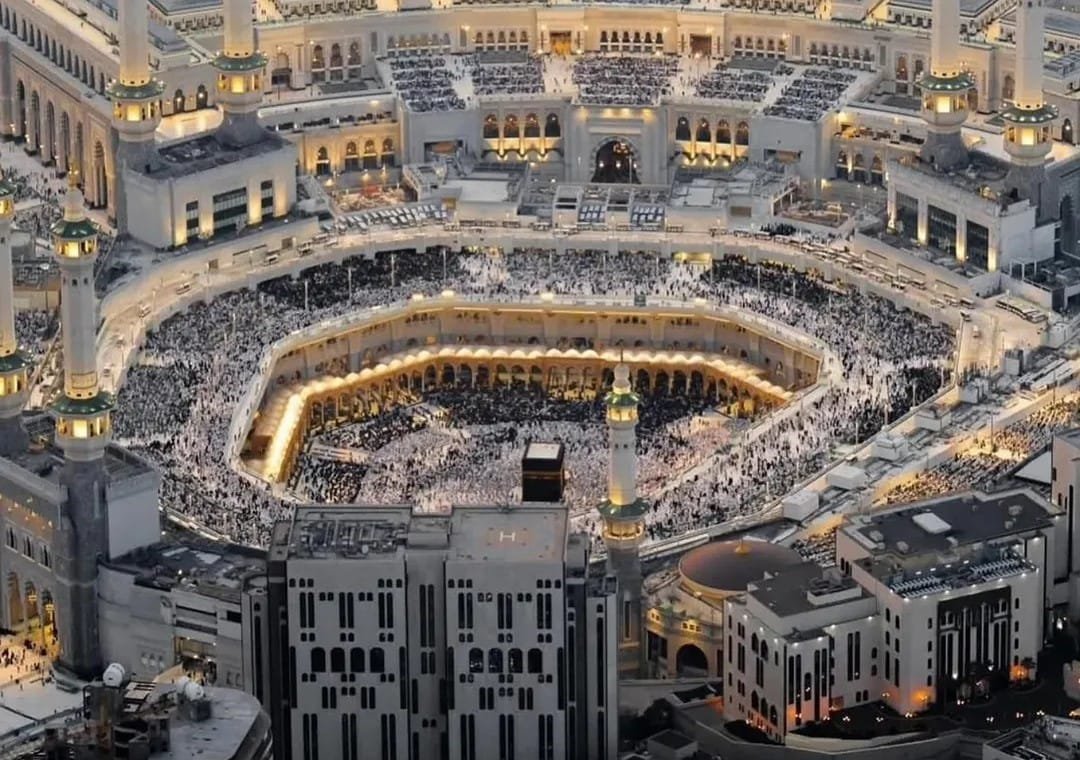
Hajj: The pilgrimage to Mecca, Saudi Arabia represents a once-in-a-lifetime obligation for those who are physically and financially able to undertake it. This journey commemorates significant events in Islamic history and fosters a profound sense of unity among Muslims from diverse backgrounds. The rituals performed during Hajj cultivate spiritual renewal and reinforce the commitment to faith.
Holy Quran: The unchanged literal word of god
The Quran is revered as the divine holy book of Islam and is considered by Muslims to be the literal word of God (Allah) as revealed to the Prophet Muhammad through angel Jibril (Gabriel) over a span of approximately 23 years, beginning in 610 CE. This compilation of divine revelations forms the foundation of Islamic beliefs, guiding the spiritual, moral, and legal aspects of the lives of millions of Muslims worldwide. Its significance cannot be overstated, as it serves not only as a source of spiritual enlightenment but also as a comprehensive guide for ethical behavior and social justice.
Revelation of the holy quran
The Quran was revealed to Prophet Muhammad gradually over a period of 23 years. The revelation began with the first word in arabic called (Iqra) means read which is in 96 chapter of the the Holy Quran, which were revealed in the cave of Hira near Mecca. The angel Gabriel would visit the Prophet and recite the verses, which were then memorized and later written down by Sahaba’s (scribes).
Structure of the holy quran
The structure of the Quran is unique, consisting of 114 chapters, known as Surahs, which vary in length. Each Surah is further divided into verses called Ayahs. The Quran addresses various themes, including monotheism, the attributes of God, human morality, the afterlife, and guidance for personal conduct and community life. Central to the Quran’s teachings is the importance of faith and good deeds, reflecting Islam’s holistic approach to existence.
Themes of the Holy quran
The Quran covers a wide range of themes, including:
Faith, Worship, and Morality: The Quran emphasizes the importance of belief in one God, the performance of daily prayers, and the practice of good deeds.
Social Justice and Human Rights: The Quran promotes justice, equality, and compassion. It advocates for the rights of the poor, the orphans, and the widows.
History and Prophecy: The Quran recounts stories of past prophets and nations, drawing lessons for humanity.
Literary style of the holy quran
The Quran is renowned for its unique literary style, which is characterized by its rhythm, rhyme, and powerful imagery. The Quran’s eloquence and beauty have inspired countless works of literature and art. Recitation and memorization of the Quran play vital roles in Muslim practice. The act of reciting the Quran is not only a form of worship but also a means of connecting with the divine. Many Muslims endeavor to memorize the entire Quran, a practice that is highly regarded and facilitates a deep understanding of the text. There are more than 10 millions memorizers called (Hafiz or Huffaz), who memorized word for word of the Holy Quran around the world currently. Moreover, the Quran’s linguistic beauty and eloquence contribute to its status as a literary masterpiece, making it a subject of study and appreciation across cultures.
inimitability and Preservation and of the holy quran
The Qur’an today remains the unchanged, divinely preserved revelation bestowed upon Prophet Muhammad ﷺ over 1,400 years ago. As the literal Word of God, it stands as an eternal miracle—beyond human imitation, free from errors or contradictions, and filled with profound wisdom for all of humanity. Its verses accurately predict future events, unveil scientific truths unknown at the time of revelation, and offer timeless guidance for every aspect of life. Allah (God) challenges mankind in the Qura’n to produce anything like it and also promised it to preserve it from corruption.
“Say: ‘If mankind and the jinn were together to produce the like of this Qur’an, they could not produce the like thereof, even if they helped one another” (Quran – 17:88)
“Verily, it is We Who have sent down the Dhikr (i.e. the Quran) and surely, We will guard it (from corruption)” (Quran – 15:9)
The historical context of the Quran’s compilation is significant; it was compiled into a single text shortly after the Prophet’s death, preserving the revelations and ensuring a unified representation of Islamic beliefs. This compilation has had a profound impact on Islamic jurisprudence and theology, influencing legal rulings and scholarly discourse throughout history. The Quran continues to inspire and shape the lives of Muslims, underscoring its enduring relevance and importance in the Islamic faith.
Sunnah: the way of the prophet
The Sunnah, the teachings and practices of Prophet Muhammad, complements the Quran and provides practical guidance for Muslims. It encompasses his words, actions, and silent approvals. The Sunnah offers a comprehensive model for living a righteous life, from personal hygiene to social interactions.
Different types of Sunnah
The Sunnah can be categorized into three main types:
Hadith Qudsi: The Prophet’s speech, in which he conveys the words of God.
Hadith Fi’li: The Prophet’s actions and deeds.
Hadith Taqriri: The Prophet’s silent approval of a particular action or saying.
Compilation of Hadiths
The Prophet’s teachings and actions were transmitted orally by his companions. Over time, these traditions were collected and compiled into written form. The science of hadith criticism developed to ensure the authenticity of these traditions.
Sharia: The islamic Law
Islamic law, or Shariah, is a divine law derived from the Quran and the Sunnah. It governs various aspects of Muslim life, including personal conduct, family law, and social justice. Shariah seeks to establish a just and equitable society, promoting harmony and well-being for all.
The Sources of Islamic law
The primary sources of Islamic law are the Quran and the Sunnah. In addition to these primary sources, Islamic jurists have developed other methods of legal reasoning, including:
Ijma: Consensus among Islamic scholars on a particular legal issue.
Qiyas: Analogical reasoning, which involves applying a legal ruling to a new situation that is similar to a case that has already been decided.
Branches of Islamic Law
Islamic law can be divided into several branches, including:
Ibadat: Ritual law, which governs acts of worship such as prayer, fasting, and pilgrimage.
Mu’amalat: Civil law, which deals with contracts, property, and commercial transactions.
Uqubat: Criminal law, which prescribes punishments for various offenses.
Adat: Customary law, which varies from one culture to another.
islamic culture and civilization
Islamic civilization has made significant contributions to various fields of knowledge, including science, mathematics, medicine, philosophy, and art. The Golden Age of Islam witnessed remarkable advancements, inspiring and influencing the world. Islamic art and architecture, with their intricate designs and timeless beauty, continue to captivate audiences worldwide.
Islamic art and architecture
Islamic art and architecture are characterized by their unique aesthetic qualities, which often blend geometric patterns, calligraphy, and natural motifs. Islamic mosques, such as the Great Mosque of Cordoba and the Blue Mosque in Istanbul, are some of the most iconic examples of Islamic architecture.
islamic science and philosphy
Muslim scholars made significant contributions to the fields of science and philosophy during the Islamic Golden Age. They developed innovative techniques in astronomy, mathematics, and medicine.
islamic literature and poetry
Islamic literature and poetry have a rich and diverse tradition. Famous Islamic poets, such as Rumi and Hafiz, have inspired millions with their beautiful verses. Islamic literature has also made significant contributions to the fields of history, theology, and philosophy.
Role of muslims in modern society
Muslims have made significant contributions to various fields, including science, technology, arts, and politics. Many prominent figures in history, such as Ibn Sina (Avicenna), Al-Khwarizmi, and Ibn Battuta, were Muslim scholars who made groundbreaking discoveries and innovations.
In the modern world, Muslims continue to excel in various fields. They are leaders in business, medicine, engineering, and education. Muslim communities around the world are actively involved in promoting peace, tolerance, and interfaith dialogue.
Muslims facing challenges today
Despite its rich history and significant contributions to human civilization, Islam faces various challenges in the modern world. Some of the most pressing issues include:
Islamophobia: Islamophobia, the fear or hatred of Islam and Muslims, has become a significant problem in many parts of the world. It manifests in various forms, including discrimination, hate speech, and violence.
Extremism and Terrorism: A small minority of extremists have hijacked the Islamic faith to justify violence and terrorism. These groups misinterpret Islamic teachings to promote hatred and division.
Cultural and Social Challenges: Many Muslim communities face challenges related to cultural identity, gender roles, and modernization. Balancing traditional values with the demands of the modern world can be difficult.
Promoting Peace And Tolerance
To address these challenges, it is crucial to promote peace, tolerance, and understanding. Muslims around the world are actively working to counter extremism and promote a positive image of Islam.
Interfaith dialogue is an important tool for fostering understanding and cooperation between people of different faiths. By engaging in open and respectful dialogue, Muslims can build bridges with people of other religions and promote peace and harmony.
Education plays a crucial role in combating ignorance and prejudice. By educating people about Islam, we can dispel misconceptions and promote a more accurate understanding of the faith.
Ultimately, the future of Islam depends on the efforts of Muslims to live up to the teachings of the Quran and the Sunnah. By striving for justice, compassion, and tolerance, Muslims can contribute to a more peaceful and harmonious world.
Conclusion
Islam is not merely a religion but a complete way of life. It encompasses profound theological concepts like Tawhid (oness of God), the belief in angels, prophets, and divine books, and the significance of the Day of Judgment and divine decree. The Five Pillars of Islam includes Shahada, Salah, Zakat, Sawm (fasting), and Hajj form the foundation of Islamic practice, nurturing spirituality, discipline, and community welfare.
The Quran and the Sunnah provide the primary sources of guidance, enriched by the contributions of Hadith and the development of Islamic law (Shariah). The interplay between divine law and human reason ensures that Shariah remains relevant in modern times.
Islamic culture and civilization have made indelible marks on art, science, literature, and philosophy, showcasing the creativity and intellectual achievements of Muslim scholars. Despite facing contemporary challenges like Islamophobia, extremism, and discrimination, Muslims continue to contribute positively to society, promoting peace, tolerance, and progress.
As Islam adapts to the modern world, it remains anchored in its timeless values of justice, compassion, and ethical conduct. By understanding and appreciating these principles, we can foster a more inclusive and harmonious global community.
Through this exploration, we hope to have provided a deeper insight into the rich tapestry of Islam, highlighting its relevance and enduring legacy in shaping human history and culture.
Share with Friends & Family.