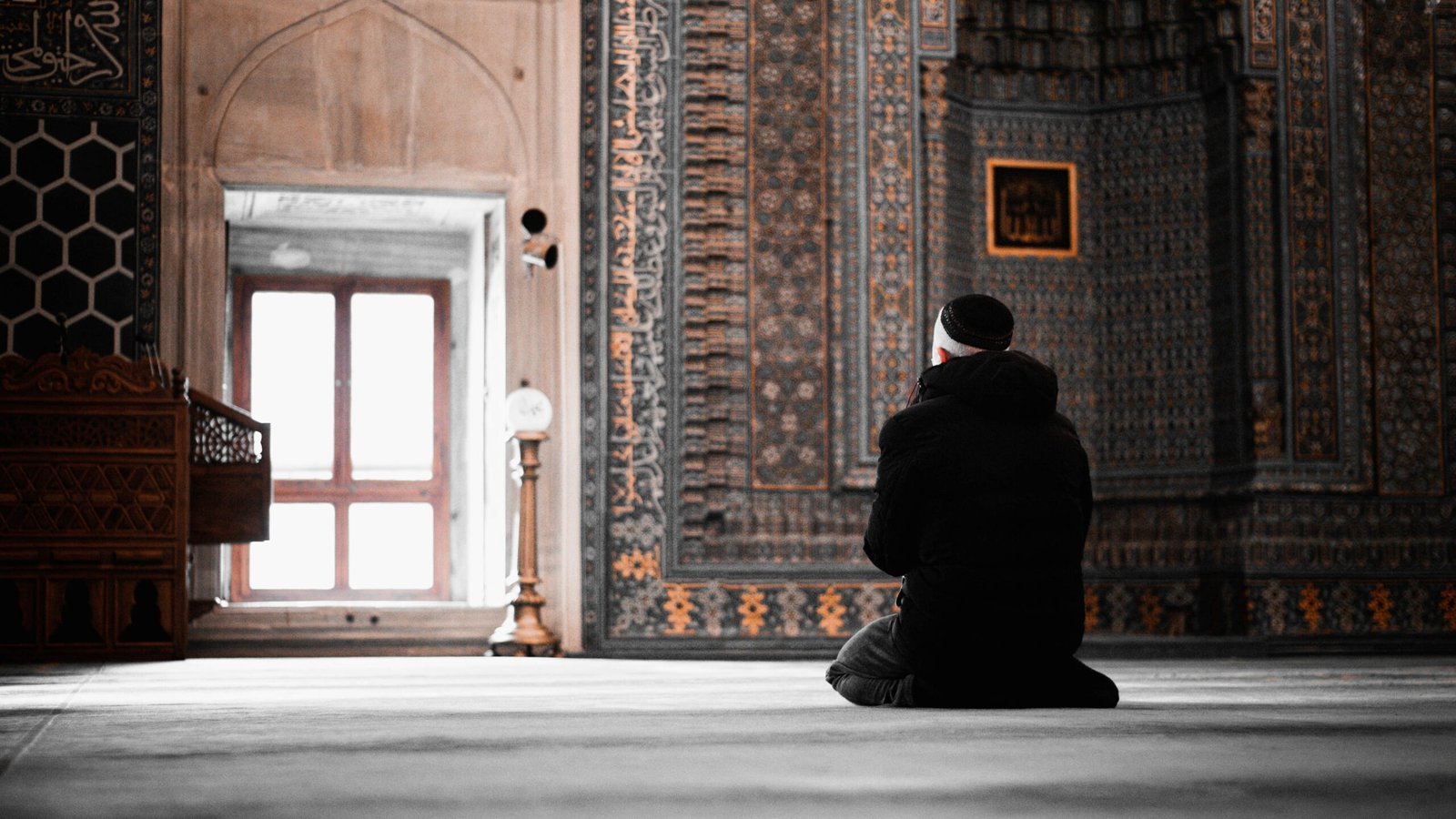
Have you ever felt the weight of your mistakes on your heart? The guilt from a harsh word spoken, a missed prayer, or a moment of weakness that you regret? Every human being makes mistakes knowingly and unknowingly. It is a part of our nature to slip up, to fall short, and to commit sins, big or small. But in a world that often demands perfection, Islam offers a beautiful and profound solace: the door of forgiveness is always open.
Allah “The Most High” in His infinite mercy has opened the door of forgiveness wider than any sin we could commit. He is Al-Ghaffar (The Ever-Forgiving) and Ar-Rahim (The Most Merciful). He loves to forgive, and He has given us powerful tools to seek His mercy and wipe away our transgressions.
Let’s embark on a journey of spiritual cleansing, to reconnect with your Creator, and to experience the profound peace that comes with being forgiven. Let’s begin.
Table of Contents
Why We Must Constantly Seek Forgiveness (Istighfar)
It is crucial to build a foundational understanding of why seeking forgiveness (Istighfar), is not just an occasional act of worship, but a central anchor of a Muslim’s daily life. Here’s why asking for forgiveness is absolutely essential for every Muslim.
Our Inherent Nature of Being Fallible and Commit Sins
Allah, in His infinite wisdom, did not create perfect beings. He created humans with free will, and with that free will comes the capacity to choose wrong.
“And Allah created you, then He will take you in death. And among you is he who is brought back to the most miserable age, so he will not know, after [having had] knowledge, a thing. Indeed, Allah is Knowing and Competent.” (Quran 16:70)
This verse touches on the vulnerability of the human condition. We are weak. We forget. We are swayed by our desires (nafs), whispers of Satan, and the distractions of the world. Sinning is part of our test in this worldly life. The Prophet (ﷺ) said:
“All the children of Adam are sinners, and the best of sinners are those who repent.” (Sunan Ibn Majah 4251)
This hadith is not a license to sin, but rather a profound consolation. It acknowledges our reality and immediately directs us toward the solution: repentance and seeking forgiveness. The nobility is not in never falling, but in consistently rising after every fall.
The Primary Purpose of Our Existence: To Worship Allah
The core reason for our creation is to worship Allah alone.
“And I did not create the jinn and mankind except to worship Me.” (Quran 51:56)
Sin is, at its essence, a deviation from his worship. It is an act of disobedience that creates a barrier between us and our Lord. This barrier dims the spiritual light in our hearts, hardens them, and makes it difficult to feel connected to Allah. Repentance and asking for forgiveness (Istighfar) is the act of breaking down that barrier. It is the process of realigning our will with the Divine Will, thus fulfilling the very purpose of our existence.
Avoid Hardness of the Heart (Qaswat al-Qalb)
The more we sin without repenting, the more our hearts become desensitized to wrongdoing. A time may come when a person commits a major sin and feels no remorse whatsoever. This is a spiritual death in life. The Prophet (ﷺ) said:
“Verily, when the believer commits a sin, a black spot appears on his heart. If he repents, desists, and seeks forgiveness, his heart is polished. If he persists, it increases until it covers his heart. That is the ‘Raan’ (covering) which Allah mentioned: ‘No! Rather, the stain has covered their hearts of that which they were earning.’” (Sunan Ibn Majah 4244)
If he repents and seeks forgiveness, his heart is polished clean. If he repeats the sin, the spot grows. Seeking forgiveness is the polish that keeps the heart pure and receptive to faith.
Deprivation of Provision (Rizq) and Knowledge
Sin can physically and metaphysically constrict our lives. It doesn’t only affect spirituality, it can disturb economic and worldly well-being.
“Nothing deprives a man of provision but the sin that he commits.” (sunan ibn Majah 90)
It remove barakah (blessing) from wealth and livelihood. A person may earn, but they won’t see benefit, peace, or growth in it. Regarding true beneficial knowledge is a light from Allah “The All Knower”, and sins extinguish this light, making a person deprived of deep understanding, wisdom, and the ability to act upon knowledge. Allah “The Most Merciful” says:
“…And fear Allah, and Allah will teach you. And Allah is All-Knowing of everything.”
(Quran 2:282)
This shows that taqwa (piety) is directly linked to receiving knowledge, while sins and heedlessness cause ignorance.
Avoid Punishment and Anger from Allah
Persistent disobedience invites the anger and punishment of Allah, both in this life through calamities, hardships, and a feeling of emptiness, and ultimately in the Hellfire in the Hereafter. Seeking forgiveness shields a believer:
“But Allah would not punish them while you, [O Muhammad], are among them. And Allah would not punish them while they seek forgiveness.”
(Quran 8:33)
Seeking forgiveness is therefore a act of self-preservation. It is a shield against the negative consequences of our own actions.
It is a Command of Allah
Seeking forgiveness isn’t just encouraged, it is commanded. Allah “The Most Forgiving” repeatedly calls upon His servants to turn to Him in repentance. He says:
“Say, ‘O My servants who have transgressed against themselves [by sinning], do not despair of the mercy of Allah. Indeed, Allah forgives all sins. Indeed, it is He who is the Forgiving, the Merciful.'” (Quran 39:53)
This verse is a powerful promise and a direct invitation to hope.
Sunnah of the Prophet regarding Forgiveness (Istighfar)
The Prophet Muhammad (peace be upon him), who was infallible and had all his past and future sins forgiven, would seek forgiveness from Allah more than 70 or 100 times a day. He said:
“By Allah, I seek Allah’s forgiveness and repent to Him more than seventy times a day.” (Sahih al-Bukhari 6307)
If the best of creation constantly sought forgiveness, then how much more should we? His example shows us that Istighfar is a continuous, lifelong act of humility and a means of drawing closer to our Creator.
Conditions for Sincere Repentance (Tawbah Nasuhah) and Asking for Forgiveness
- Stopping the sin immediately.
- Repenting and turning back to Allah after committing a sin and asking for forgiveness.
- Feeling sincere regret and remorse for committing it.
- Firm intention not to repeat it.
- If the sin involved another person’s rights, you must restore their rights or seek their pardon.
Allah “The Most Forgiving” says:
“Except for those who repent, believe and do righteous work. For them Allah will replace their evil deeds with good. And ever is Allah Forgiving and Merciful.” (Quran 25:70)
The Best Times to Ask for Forgiveness (Istighfar)
While we can and should ask for forgiveness at any moment, Allah in His wisdom has designated certain times when supplications are more readily accepted and His mercy is abundantly descending. Being aware of these especially blessed times is like catching the spiritual tide at its highest point.
1. Immediately After a Sin
The moment you realize you have committed a sin is the best time to seek forgiveness. Do not delay. The Messenger of Allah (ﷺ) said:
“There is no man who commits a sin then he performs ablution and does it well, then he prays two Rak’ah,’ (one of the narrators) Mis’ar said: ‘then performs prayer and seeks the forgiveness of Allah, but Allah will forgive him.” (Sunan Ibn Majah 1395)
2. The Last Third of the Night (Tahajjud):
This is one of the most emphasized times in the Sunnah. It is a time of quiet solitude, when distractions are minimal and the heart is most vulnerable and sincere. This is a blessed time when Allah descends to the lowest heaven. The Prophet (ﷺ) peace be upon him said:
“Our Lord, the Blessed, the Superior, comes every night down on the nearest Heaven to us when the last third of the night remains, saying: “Is there anyone to invoke Me, so that I may respond to invocation? Is there anyone to ask Me, so that I may grant him his request? Is there anyone seeking My forgiveness, so that I may forgive him?” (Sahih al-Bukhari 1145)
3. Between the Adhan and the Iqamah
The Prophet (ﷺ) peace be upon him said:
“The supplication made between the adhan and the iqamah is not rejected.” (Sunan Abi Dawud 521)
4. During Rain
The descent of rain is a time of divine mercy and a response to the prayers of the angels and the creation. It is a blessed time to ask for goodness, including forgiveness. The Prophet (ﷺ) peace be upon him said:
“Two will not be rejected: Supplication at the time of the call to prayer, and under rainfall.” (Sunan Abi Dawud 2540)
5. While Prostrating (During Salah)
The sujood (prostration) is the pinnacle of a Muslim’s humility before Allah. It is the position where the servant is closest to his Lord. Pour your heart out to Allah in this state, begging for His pardon. The Messenger of Allah (ﷺ) said:
“The nearest a servant comes to his Lord is when he is prostrating himself, so make supplication (in this state).” (Sahih Muslim 482)
6. On the Day of Arafah (9th of Dhul-Hijjah)
This is the greatest day of the Islamic year. Fasting on this day expiates the sins of the previous year and the year to come. The atmosphere is filled with mercy, and Allah boasts to the angels about the pilgrims standing on the plains of Arafah. The Messenger of Allah (ﷺ) said:
“There is no day when God sets free more servants from Hell than the Day of ‘Arafah.” (Sahih Muslim 1348)
7. The Last Hour of Friday (After Asr and before Maghreib Prayer on Jumu’ah)
There is a special hour on Friday during which every legitimate Du’a is granted. Making a conscious effort to seek forgiveness during these blessed times can exponentially increase the chances of our repentance being accepted. The Messenger of Allah (ﷺ) said:
“Friday is twelve hours in which there is no Muslim slave who asks Allah (SWT) for something but He will give it to him, so seek it in the last hour after ‘Asr.” (Sunan an-Nasa’i 1389)
The Most Powerful Duas for Forgiveness from the Quran and Sunnah
1. Sayyid al-Istighfar (The Master of Forgiveness)
This is the most comprehensive and superior Dua for seeking forgiveness, as narrated by the Prophet (ﷺ). If one recites it with conviction during the day and dies before evening, they will be among the people of Paradise. If one recites it with conviction at night and dies before morning, they will be among the people of Paradise.
اللَّهُمَّ أَنْتَ رَبِّي لا إِلَهَ إِلا أَنْتَ، خَلَقْتَنِي وَأَنَا عَبْدُكَ، وَأَنَا عَلَى عَهْدِكَ وَوَعْدِكَ مَا اسْتَطَعْتُ، أَعُوذُ بِكَ مِنْ شَرِّ مَا صَنَعْتُ، أَبُوءُ لَكَ بِنِعْمَتِكَ عَلَيَّ، وَأَبُوءُ لَكَ بِذَنْبِي فَاغْفِرْ لِي، فَإِنَّهُ لا يَغْفِرُ الذُّنُوبَ إِلا أَنْتَ
Transliteration: Allahumma anta Rabbi, la ilaha illa anta, Khalaqtani wa ana ‘abduka, wa ana ‘ala ‘ahdika wa wa’dika mas-tata’tu, a’udhu bika min sharri ma sana’tu, abu’u laka bini’matika ‘alayya, wa abu’u laka bidhanbi, faghfir li, fa innahu la yaghfirudh-dhunuba illa anta.
Translation: O Allah, You are my Lord. There is no god but You. You created me and I am Your servant. I am committed to Your covenant and promise [to obey You] as best I can. I seek refuge in You from the evil of what I have done. I acknowledge Your favor upon me and I acknowledge my sin. So forgive me, for surely none can forgive sins except You.
Reference: Sahih al-Bukhari 6306
2. The Dua of Prophet Adam and Hawwa (Eve) (AS)
This is the Dua taught by Allah to our first parents after they disobeyed Him and then turned back in repentance. It is the prototype of all repentance.
رَبَّنَا ظَلَمْنَا أَنفُسَنَا وَإِن لَّمْ تَغْفِرْ لَنَا وَتَرْحَمْنَا لَنَكُونَنَّ مِنَ الْخَاسِرِينَ
Transliteration: Rabana thalamna anfusana wa-in lam taghfir lana watarhamna lanakoonanna mina al-khasireen.
Translation: “Our Lord, we have wronged ourselves, and if You do not forgive us and have mercy upon us, we will surely be among the losers.”
Reference: Surah Al-A’raf, 7:23
3. The Most Comprehensive Quranic Verse on Forgiveness (Last Two Verses of Surah al-baqarah
This Dua is incredibly comprehensive, seeking pardon for human weaknesses like forgetfulness and mistake, asking for relief from unbearable burdens, and pleading for forgiveness, pardon, and mercy.
ءَامَنَ ٱلرَّسُولُ بِمَآ أُنزِلَ إِلَيْهِ مِن رَّبِّهِۦ وَٱلْمُؤْمِنُونَ ۚ كُلٌّ ءَامَنَ بِٱللَّهِ وَمَلَـٰٓئِكَتِهِۦ وَكُتُبِهِۦ وَرُسُلِهِۦ لَا نُفَرِّقُ بَيْنَ أَحَدٍۢ مِّن رُّسُلِهِۦ ۚ وَقَالُوا۟ سَمِعْنَا وَأَطَعْنَا ۖ غُفْرَانَكَ رَبَّنَا وَإِلَيْكَ ٱلْمَصِيرُ ٢٨٥ لَا يُكَلِّفُ ٱللَّهُ نَفْسًا إِلَّا وُسْعَهَا ۚ لَهَا مَا كَسَبَتْ وَعَلَيْهَا مَا ٱكْتَسَبَتْ ۗ رَبَّنَا لَا تُؤَاخِذْنَآ إِن نَّسِينَآ أَوْ أَخْطَأْنَا ۚ رَبَّنَا وَلَا تَحْمِلْ عَلَيْنَآ إِصْرًۭا كَمَا حَمَلْتَهُۥ عَلَى ٱلَّذِينَ مِن قَبْلِنَا ۚ رَبَّنَا وَلَا تُحَمِّلْنَا مَا لَا طَاقَةَ لَنَا بِهِۦ ۖ وَٱعْفُ عَنَّا وَٱغْفِرْ لَنَا وَٱرْحَمْنَآ ۚ أَنتَ مَوْلَىٰنَا فَٱنصُرْنَا عَلَى ٱلْقَوْمِ ٱلْكَـٰفِرِينَ ٢٨٦
Transliteration: Aamanar-Rasoolu bimaa ‘unzila ilayhi mir-Rabbihi walmu’minoon, kullun ‘aamana billaahi wa malaa’ikatihi wa Kutubihi wa Rusulihi, laa nufarriqu bayna ‘ahadim-mir-Rusulihi, wa qaaloo sami’naa wa ‘ata’naa ghufraanaka Rabbanaa wa ‘ilaykal-maseer. [285]
Laa yukallifullaahu nafsan ‘illaa wus’ahaa, lahaa maa kasabat wa ‘alayhaa mak-tasabat, Rabbanaa laa tu’aakhithnaa ‘in naseenaa ‘aw ‘akhta’naa, Rabbanaa wa laa tahmil ‘alaynaa ‘isran kamaa hamaltahu ‘alal-latheena min qablinaa, Rabbanaa wa laa tuhammilnaa maa laa taaqata lanaa bihi, wa’fu ‘annaa, waghfir lanaa warhamnaa, ‘Anta Mawlaanaa fansurnaa ‘alal-qawmil-kaafireen. [286]
Translation: The Messenger has believed in what was revealed to him from his Lord, and [so have] the believers. All of them have believed in Allah and His angels and His books and His messengers, [saying] , “We make no distinction between any of His messengers.” And they say, “We hear and we obey. [We seek] Your forgiveness, our Lord, and to You is the [final] destination.” [285]
Allah does not charge a soul except [with that within] its capacity. It will have [the consequence of] what [good] it has gained, and it will bear [the consequence of] what [evil] it has earned. “Our Lord, do not impose blame upon us if we have forgotten or erred. Our Lord, and lay not upon us a burden like that which You laid upon those before us. Our Lord, and burden us not with that which we have no ability to bear. And pardon us; and forgive us; and have mercy upon us. You are our protector, so give us victory over the disbelieving people.” [286]
Reference: Surah al-baqarah 2:285-86
The Messenger of Allah (ﷺ) said:
“If anyone recited two verses from the last of Surah al-Baqarah at night, they will be sufficient for him.” (Sunan Abi Dawud 1397)
4. The Dua of Prophet Yunus (AS) in the Belly of the Whale
This is the prayer of a prophet in the absolute depths of darkness and despair. Its power is such that Allah says: “And had he not been of those who exalt Allah, He would have remained inside its belly until the Day of Resurrection.” (Quran 37:143-144).
The Dua is :
لَّا إِلَهَ إِلَّا أَنتَ سُبْحَانَكَ إِنِّي كُنتُ مِنَ الظَّالِمِينَ
Transliteration: La ilaha illa anta subhanaka inni kuntu minaz-zalimin.
Translation: There is no deity except You; exalted are You. Indeed, I have been of the wrongdoers.
Reference: Surah Al-Anbiya, 21:87
Then Allah “The Most Merciful” Says: So We responded to him and saved him from the distress. And thus do We save the believers. (Surah Al-Anbiya, 21:88)
The Messenger of Allah (ﷺ) said in authentic Hadith:
“The supplication of Dhun-Nun (Prophet Yunus) when he supplicated, while in the belly of the whale was: ‘There is none worthy of worship except You, Glory to You, Indeed, I have been of the transgressors. So indeed, no Muslim man supplicates with it for anything, ever, except Allah responds to him.” (Jami` at-Tirmidhi 3505)
Short Quranic Supplication (Dua) for Forgiveness
1. Seeking Allah’s Pardon (Al-Afuw)
Al-Afuw is one of Allah’s names meaning “The Pardoner.” It implies a complete erasure and wiping away of the sin, as if it never occurred. Asking for ‘Afw is asking for this total eradication.
رَبَّنَا إِنَّنَا آمَنَّا فَاغْفِرْ لَنَا ذُنُوبَنَا وَقِنَا عَذَابَ النَّارِ
Transliteration: Rabana innana amanna faghfir lana dhunubana wa qina ‘adhaban-nar.
Translation: Our Lord, indeed we have believed, so forgive us our sins and protect us from the punishment of the Fire.
Reference: Surah Ali ‘Imran, 3:16
رَبَّنَا فَاغْفِرْ لَنَا ذُنُوبَنَا وَكَفِّرْ عَنَّا سَيِّئَاتِنَا وَتَوَفَّنَا مَعَ الْأَبْرَارِ
Transliteration: Rabana faghfir lana dhunubana wa kaffir ‘anna sayyiatina wa tawaffana ma’al-abrar.
Translation: Our Lord, so forgive us our sins and remove from us our misdeeds and cause us to die with the righteous.
Reference: Surah Ali ‘Imran, 3:193
رَّبِّ ٱغْفِرْ وَٱرْحَمْ وَأَنتَ خَيْرُ ٱلرَّٰحِمِينَ
Transliteration: Rabbighfir warham wa anta khayrur-rahimin.
Translation: My Lord, forgive and have mercy, and You are the best of the merciful.
Reference: Al-Mu’minun 23:118
Frequent Istighfar of the Prophet (ﷺ)
The Prophet Muhammad (ﷺ), though sinless, would seek forgiveness from Allah over seventy to a hundred times a day. His most common phrases were short but profound.
أَسْتَغْفِرُ اللَّهَ
Transliteration: Astaghfirullah
Translation: I seek forgiveness from Allah.
Reference: Jami` at-Tirmidhi 300
رَبِّ اغْفِرْ لِي
Transliteration: Rabbi ighfir li
Translation: My Lord, forgive me.
Reference: Sunan Ibn Majah 897
أَسْتَغْفِرُ اللَّهَ وَأَتُوبُ إِلَيْهِ
Transliteration: Astaghfirullah wa atubu ilayh
Translation: I seek forgiveness from Allah and repent to Him.
Reference: Sahih al-Bukhari 6307
رَبِّ اغْفِرْ لِي وَتُبْ عَلَيَّ إِنَّكَ أَنْتَ التَّوَّابُ الرَّحِيمُ
Transliteration: Rabbighfirli, watub ‘alayya, innaka Anta at-Tawwabur-Rahim.
Translation: My Lord, forgive me and accept my repentance, for indeed You are the Acceptor of Repentance, the Merciful.
Reference: Sunan Abi Dawud 1516
أَسْتَغْفِرُ اللَّهَ الَّذِي لاَ إِلَهَ إِلاَّ هُوَ الْحَىُّ الْقَيُّومُ وَأَتُوبُ إِلَيْهِ
Transliteration: Astaghfirullaa-hal-ladhee laa ilaha illaa huwal-ḥayyul-qayyoomu wa atoobu ilayh.
Translation: I seek Allah’s forgiveness, besides Whom, none has the right to be worshipped except He, The Ever Living, The Self-Subsisting and Supporter of all, and I turn to Him in repentance.
Reference: Sunan Abi Dawud 1517
Benefits of Istighfar: More Than Just Erasing Sins
1. The Promise of Paradise
This is the ultimate benefit. Allah repeatedly promises Jannah for those who believe, do righteous deeds, and repent.
“And turn to Allah in repentance, all of you, O believers, that you might succeed.” (Surah An-Nur, 24:31)
2. A Increase in Provision and Wealth
Istighfar removes the barriers to our sustenance.
“And said, ‘Ask forgiveness from your Lord; indeed, He is ever a Perpetual Forgiver. He will send [rain from] the sky upon you in showers and increase you in strength upon your strength.'” (Surah Nuh, 71:10-12)
Prophet Nuh (AS) instructed his people to seek forgiveness to gain not just rain, but wealth, children, gardens, and rivers.
3. Relief from Worry and Distress
Istighfar is a means of finding solace and ease. Turning to Allah lifts the burdens of the heart.
“And whoever fears Allah – He will make for him a way out, And will provide for him from where he does not expect.” (Surah At-Talaq 65:2-3)
4. Strength and Victory Over Enemies
A people who are morally clean and connected to Allah are granted divine help.
“And O my people, ask forgiveness of your Lord and then repent to Him. He will send [rain from] the sky upon you in showers and increase you in strength [added] to your strength.” (Surah Hud 11:52)
5. A Joyful Heart and a Lightened Spirit
The psychological burden of guilt is immense. Istighfar lifts this burden, replacing it with peace, contentment, and inner light. The polishing of the heart mentioned in the hadith results in a radiant, joyful, and tranquil soul.
The Door is Always Open to seek Forgiveness
The most compelling reason to seek forgiveness is the attributes of Allah Himself. Among His 99 names are:
Al-Ghafoor (الغفور): The All-Forgiving
Al-Ghaffar (الغفار): The Repeatedly Forgiving
At-Tawwab (التواب): The Acceptor of Repentance
Ar-Raheem (الرحيم): The Especially Merciful
Al-Afuw (العفو): The Pardoner (who erases sins completely)
Allah’s mercy precedes His wrath. He wants to forgive us. He is delighted when His servant turns back to Him. No matter how big your sins, they are never greater than Allah’s mercy. What matters is that you keep turning back to Him sincerely, consistently, and humbly.
“Indeed, Allah loves those who repent and purify themselves.”
(Surah Al-Baqarah 2:222)
Never Lose Hope in Allah’s Mercy
Allah “The Most Merciful” is not waiting to punish us; He is waiting for us to turn to Him so He can forgive. His mercy is vaster than any ocean, and our sins, no matter how many, are but a drop in it.
Do not let Shaitan deceive into thinking it’s too late or that our sins are too great. The door of repentance is open until the sun rises from the west (a sign of the Day of Judgment). Choose one Dua from this guide today. Recite it with sincerity. Feel the words. Mean them. Let this be your first step on a path of spiritual renewal.
Embrace the gift of Istighfar. Make it your constant companion. It’s not just words – it’s a key to inner peace, a pathway to blessings, and the hope of eternal success.
Share with Friends & Family