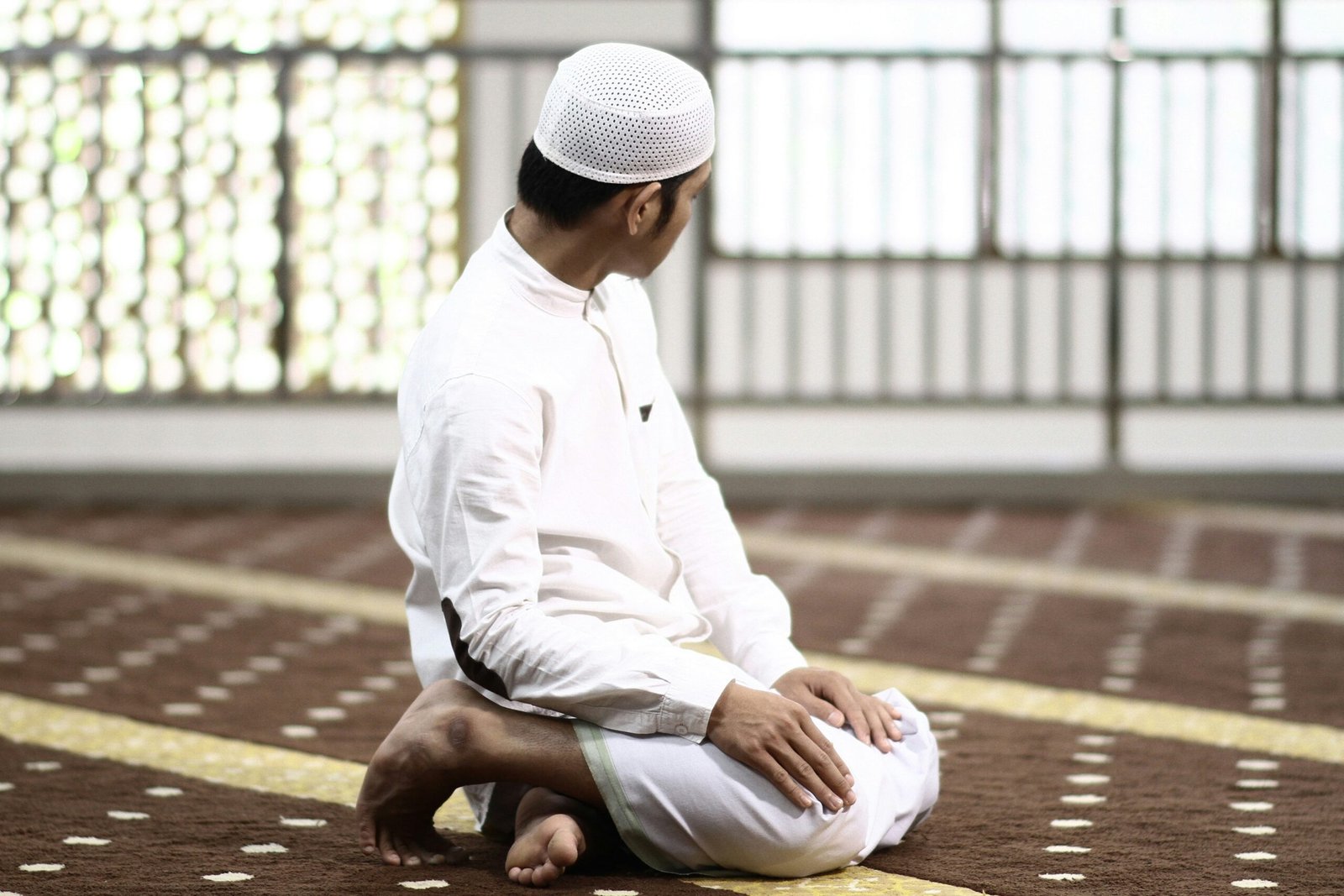
For many believers, the moment of Tasleem (Salam), when turning the head to the right and left to conclude the Salah, marks the end of prayer. Yet, for the Prophet (peace be upon him) and his noble companions, it was never the end of worship. Rather, it was a beginning of another intimate moment with Allah “The Almighty” — the Adhkar after Salah (post-prayer remembrances).
These Adhkar after Salah (post-prayer remembrances) are not just a “routine.” They are the fragrance of your Salah, the afterglow of your spiritual dialogue with Allah “The Responsive One”. A believer lingers in the presence of his Lord through Tasbeeh, Tahmeed, and Takbeer. Every Salah ends, but the heart’s remembrance must never end. Allah “The Self-Exalted” says in the Quran:
“So when you have finished the prayer, remember Allah standing, sitting, and lying on your sides…” (Surah An-Nisa 4:103)
This verse beautifully reminds us that remembrance is not limited to the prayer itself, it extends beyond it. The Prophet (peace be upon him) showed us exactly how to maintain this link through specific Adhkar after Salah (post-prayer remembrances)) immediately after Tasleem.
Table of Contents
Understanding the Significance of Adhkar after Salah (post-prayer remembrances) - The Prophetic Blueprint to make it special
To understand the value of Adhkar after Salah (post-prayer remembrances), we must look at the life of our guide, the Prophet Muhammad (ﷺ). His companions meticulously observed his every action, especially his prayer. They noted that he did not abruptly break his connection with Allah “The Almighty” after the Tasleem. Instead, he would remain seated for a period of time, immersed in remembrance and supplication.
The Prophet ﷺ described dhikr (remembrance of Allah) as one of the easiest and most rewarding acts of worship, yet it is among the most neglected. After prayer, when the heart is still soft and focused, remembering Allah brings multiple blessings. The Messenger of Allah ﷺ said:
“Shall I not tell you of the best of your deeds, the most pleasing to your Sovereign, those that raise you most in status, that are better than your gold and silver, or meeting you enemy (in battle) and you strike their necks and they strike your necks?” They said: ” WHat is that, O Messenger of Allah?” He said: “Remembering Allah (Dhikr).” (Sunan Ibn Majah 3790)
The ideal sequence for Adhkar after Salah (post-prayer remembrances) is:
Say Astaghfirullah three times.
Recite Allahumma anta as-salam…
Proceed with the Tasbeeh (33× SubhanAllah, 33× Alhamdulillah, 34× Allahu Akbar).
Complete with La ilaha illa Allahu wahdahu la sharika lah…
Recite Ayat al-Kursi and the three Quls (Ikhlas, Falaq, Nas).
Make personal dua and send salutations upon the Prophet ﷺ.
The Prophetic Sequence: A Step-by-Step Guide to the Adhkar after Salah
It is from the Sunnah for the Imam to turn to face the congregation after the Tasleem, which signifies the end of the formal prayer leadership and the beginning of personal remembrance. The Prophetic guidance is for the Muslim to say Adhkar after every obligatory prayer, whether he prayed as an imam (leader) or behind an imam or on his own.
While there is flexibility in the order, following a sequence based on the Sunnah helps in building a consistent habit and ensures we cover the most emphasized Adhkar after Salah (post-prayer remembrances). Here is a step-by-step guide, supported by authentic Hadiths and these Adhkar after Salah are prescribed after all five obligatory prayers: Fajr, Dhuhr, Asr, Maghrib, and Isha.
1. Istighfar (Seeking Forgiveness) and Praising Allah
The very first remembrance is seeking forgiveness (Istighfar), acknowledging our human weakness and asking Allah to overlook our flaws. Despite our best efforts, our prayers are often imperfect. Our mind wanders (waswasa), our focus (khushu’) fades, and we may rush in our salah.
أَسْتَغْفِرُ اللهَ, أَسْتَغْفِرُ اللهَ, أَسْتَغْفِرُ اللهَ
اللَّهُمَّ أَنْتَ السَّلاَمُ، وَمِنْكَ السَّلاَمُ، تَبَارَكْتَ يَا ذَا الْجَلاَلِ وَالإِكْرَامِ
Transliteration: Astaghfirullah, Astaghfirullah, Astaghfirullah. Allahumma antas-salamu wa minkas-salamu, tabarakta ya Dhal-Jalali wal-ikram.
Translation: “I seek Allah’s forgiveness.” (three times). “O Allah, You are As-Salam (the Source of Peace), and from You comes peace. Blessed are You, O Possessor of Majesty and Honor.”
Reference: (Sahih Muslim 591)
This immediately establishes a tone of humility and acknowledgment that our prayer, despite our best efforts, may have shortcomings. Seeking forgiveness right after worship is a sign of a sincere heart.
2. The Declaration of Tawhid (Oneness of God)
This comprehensive declaration of Allah’s Oneness, Sovereignty, and Power is a cornerstone of the Adhkar after Salah (post-prayer remembrances).
لاَ إِلَهَ إِلاَّ اللَّهُ وَحْدَهُ لاَ شَرِيكَ لَهُ لَهُ الْمُلْكُ وَلَهُ الْحَمْدُ وَهُوَ عَلَى كُلِّ شَىْءٍ قَدِيرٌ ‘ اللَّهُمَّ لاَ مَانِعَ لِمَاأَعْطَيْتَ، وَلاَ مُعْطِيَ لِمَا مَنَعْتَ، وَلاَ يَنْفَعُ ذَا الْجَدِّ مِنْكَ الْجَدُّ
Transliteration: La ilaha ill-Allah wahdahu la sharika lah, lahu’l-mulk wa lahu’l-hamd wa huwa ‘ala kulli shay’in qadir. Allahumma laa maani‘ lima a‘tayta wa laa mu‘ti lima mana‘ta wa la yanfa‘ dhaa’l-jadd minka al-jadd.
Translation: “There is no god but Allah Alone, with no partner or associate His is the sovereignty and to Him be praise, and He is Able to do all things. O Allah, none can withhold what You give and none can give what You withhold, and no wealth or majesty can benefit anyone for from You is all wealth and majesty.”
Reference: (Sahih al-Bukhari 844)
لاَ إِلَهَ إِلاَّ اللَّهُ وَحْدَهُ لاَ شَرِيكَ لَهُ لَهُ الْمُلْكُ وَلَهُ الْحَمْدُ وَهُوَ عَلَى كُلِّ شَىْءٍ قَدِيرٌ ‘ لاَ حَوْلَ وَلاَ قُوَّةَ إِلاَّ بِاللَّهِ ‘ لاَ إِلَهَ إِلاَّ اللَّهُ لاَ نَعْبُدُ إِلاَّ إِيَّاهُ أَهْلَ النِّعْمَةِ وَالْفَضْلِ وَالثَّنَاءِ الْحَسَنِ لاَ إِلَهَ إِلاَّ اللَّهُ مُخْلِصِينَ لَهُ الدِّينَ وَلَوْ كَرِهَ الْكَافِرُونَ
Transliteration: La ilaha ill-Allah wahdahu la sharika lah, lahu’l-mulk wa lahu’l-hamd wa huwa ‘ala kulli shay’in qadir. La hawla wa la quwwata illa Billah wa la na’budu illa iyyah. Lahu’l-ni’mah wa lahu’l-fadl wa lahu’l-thana al-hasan. La ilaha ill-Allah mukhlisina lahu’l-dina wa law kariha’l-kafirun.
Translation: “There is no god but Allah Alone, with no partner or associate His is the sovereignty and to Him be praise, and He is Able to do all things. There is no power and no strength except with Allah, and we worship none but Him. From Him (Alone) come all blessings and favours, and all good praise is due to Him. There is no god but Allah and we make our worship purely for Him (alone) however much the disbelievers may hate it.
Reference: (Sunan an-Nasa’i 1339)
It is mustahabb for the Muslim, male or female, to recite this dhikr after each of the five daily prayers.
3. The Crown of Remembrance: The Tasbeeh (Subhanallah, Alhamdulillah, Allahu Akbar)
This is arguably the most famous Adhkar after Salah (post-prayer remembrances), carrying tremendous reward, including forgiveness of sins. Recite the following three phrases 33 times each
,سُبْحَانَ اللّٰهِ, الْحَمْدُ لِلَّهِ, اللَّهُ أَكْبَرُ
Subhaanallaah, Al-Ḥamdulillāh, Allāhu Akbar.
Glory be to Allah (Tasbih), All praise is due to Allah (Tahmid), Allah is the Greatest (Takbir)
The Completion: Then, to complete the set of 100 remembrances, say:
لاَ إِلَهَ إِلاَّ اللَّهُ وَحْدَهُ لاَ شَرِيكَ لَهُ لَهُ الْمُلْكُ وَلَهُ الْحَمْدُ وَهُوَ عَلَى كُلِّ شَىْءٍ قَدِيرٌ
Transliteration: Lā ilāha illallāhu, waḥdahu lā sharīka lah, lahul-mulku wa lahul-ḥamdu, wa Huwa `alā kulli shay’in qadīr
Translation: None has the right to be worshiped but Allah alone, He has no partner, His is the dominion and His is the praise, and He is able to do all things.
Reference: (Sahih Muslim 597)
4. Ayat al-Kursi (The Throne Verse) – The Key to Paradise
Reciting this verse (Surah Al-Baqarah 2:255) after every obligatory prayer provides an incredible guarantee to paradise.
اللّهُ لاَ إِلَـهَ إِلاَّ هُوَ الْحَيُّ الْقَيُّومُ لاَ تَأْخُذُهُ سِنَةٌ وَلاَ نَوْمٌ لَّهُ مَا فِي السَّمَاوَاتِ وَمَا فِي الأَرْضِ مَن ذَا الَّذِي يَشْفَعُ عِنْدَهُ إِلاَّ بِإِذْنِهِ يَعْلَمُ مَا بَيْنَ أَيْدِيهِمْ وَمَا خَلْفَهُمْ وَلاَ يُحِيطُونَ بِشَيْءٍ مِّنْ عِلْمِهِ إِلاَّ بِمَا شَاء وَسِعَ كُرْسِيُّهُ السَّمَاوَاتِ وَالأَرْضَ وَلاَ يَؤُودُهُ حِفْظُهُمَا وَهُوَ الْعَلِيُّ الْعَظِيمُ
Transliteration: Allāhu lā ilāha illā huwa ‘l-Ḥayyul-Qayyūm, lā ta’khudhuhu sinatun wa lā nawm, lahu mā fis-samāwāti wa māfil-arḍ, man dhal-ladhī yashfa`u `indahu illā bi’idhnih, ya`lamu mā bayna aydīhim wa mā khalfahum, wa lā yuḥīṭūna bishay’im-min `ilmihi illā bimā shā’, wasi`a kursiyyuhus-samāwāti wal-arḍ, wa lā ya’ūduhu hifẓuhumā, wa huwal-`Aliyyu‘l-`Aẓīm
Translation: “Allah! There is none worthy of worship but He, the Ever-Living, the One Who sustains and protects all that exists. Neither slumber nor sleep overtakes Him. To Him belongs whatever is in the heavens and whatever is on the earth. Who is he that can intercede with Him except with His Permission? He knows what happens to them in this world, and what will happen to them in the Hereafter. And they will never encompass anything of His Knowledge except that which He wills. His Throne extends over the heavens and the earth, and He feels no fatigue in guarding and preserving them. And He is the Most High, the Most Great.” (Quran 2:225)
The Messenger of Allah (ﷺ) said:
“Whoever recites Ayat al-Kursi after each prayer, there will be nothing standing between him and his entry into Paradise except death.”
Reference: Sunan an-Nasāʾī al-Kubrā, no. 9848, and al-Ṭabarānī, no. 7532
This Hadith signifies that a person who is consistent with this great Dhikr has the foundation of their faith so firm that they have already secured their place in Jannah, and only the appointed time of death prevents them from entering immediately.
5. The Fortress of the Muslim (The Three Quls) – The Divine Protection
Reciting the “al-Mu‘awwidhatayn” (the Surahs of seeking refuge) is a powerful means of protection. These three short Surahs are a powerful spiritual armor against all forms of evil.
﷽
قُلْ أَعُوذُ بِرَبِّ ٱلنَّاسِ ١ مَلِكِ ٱلنَّاسِ ٢ إِلَـٰهِ ٱلنَّاسِ ٣ مِن شَرِّ ٱلْوَسْوَاسِ ٱلْخَنَّاسِ ٤ ٱلَّذِى يُوَسْوِسُ فِى صُدُورِ ٱلنَّاسِ ٥ مِنَ ٱلْجِنَّةِ وَٱلنَّاسِ ٦
Bismillaahir-Rahmaanir-Raheem.
Qul ‘a’oothu birabbin-naas. Malikin-naas. ‘Ilaahin-naas. Min sharril-waswaasil-khannaas. Allathee yuwaswisu fee sudoorin-naas. Minal-jinnati wannaas
Meaning: “In the Name of Allah, the Most Gracious, the Most Merciful. Say: I seek refuge with (Allah) the Lord of mankind, the King of mankind, the God of mankind, from the evil of the whisperer who withdraws, who whispers in the breasts of mankind, of jinns and men.” (Quran 114)
﷽
قُلْ أَعُوذُ بِرَبِّ ٱلْفَلَقِ ١ مِن شَرِّ مَا خَلَقَ ٢ وَمِن شَرِّ غَاسِقٍ إِذَا وَقَبَ ٣ وَمِن شَرِّ ٱلنَّفَّـٰثَـٰتِ فِى ٱلْعُقَدِ ٤ وَمِن شَرِّ حَاسِدٍ إِذَا حَسَدَ ٥
Bismillaahir-Rahmaanir-Raheem.
Qul ‘a’oothu birabbil-falaq. Min sharri maa khalaq. Wa min sharri ghaasiqin ‘ithaa waqab. Wa min sharrin-naffaathaati fil-‘uqad. Wa min sharri haasidin ‘ithaa hasad
Meaning: “In the Name of Allah, the Most Gracious, the Most Merciful. Say: I seek refuge with (Allah) the Lord of the daybreak, from the evil of what He has created, and from the evil of the darkening (night) as it comes with its darkness, and from the evil of those who practice witchcraft when they blow in the knots, and from the evil of the envier when he envies.” (Quran 113)
﷽
قُلْ هُوَ ٱللَّهُ أَحَدٌ ١ ٱللَّهُ ٱلصَّمَدُ ٢ لَمْ يَلِدْ وَلَمْ يُولَدْ ٣ وَلَمْ يَكُن لَّهُۥ كُفُوًا أَحَدٌۢ ٤
Bismillaahir-Rahmaanir-Raheem.
Qul Huwallaahu ‘Ahad. Allaahus-Samad. Lam yalid wa lam yoolad. Wa lam yakun lahu kufuwan ‘ahad
Meaning: “In the Name of Allah, the Most Gracious, the Most Merciful. Say: He is Allah (the) One. The Self-Sufficient Master, Whom all creatures need, He begets not nor was He begotten, and there is none equal to Him.” (Quran 112)
For Dhuhr, Asr, and Isha: Recite each Surah once.
For Fajr and Maghrib: Recite each Surah three times and Ayat al-kursi (after the prescribed morning/evening Adhkar as part of it).
The Command of the Prophet (Uqbah ibn ‘Amir RA): Uqbah ibn ‘Amir reported: “The Messenger of Allah (ﷺ) commanded me to recite the Mu’awwidhat (Surah Al-Ikhlas, Al-Falaq, and An-Nas) at the end of every prayer.” (Sunan Abi Dawud 1523)
Personal Supplications Adhkar after Salah
1. Asking for Beneficial knowledge, goodly provision and acceptable deeds
The Messenger of Allah (ﷺ) would say after fajr prayer salam:
اللَّهُمَّ إِنِّي أَسْأَلُكَ عِلْمًا نَافِعًا، وَرِزْقًا طَيِّبًا، وَعَمَلاً مُتَقَبَّلاً
Transliteration: Allahumma inni as’aluka ‘ilman nafi’an, wa rizqan tayyiban, wa ‘amalan mutaqabbalan
Translation: O Allah, I ask You for beneficial knowledge, goodly provision and acceptable deeds.
Reference: Sunan Ibn Majah 925
Benefits and Rewards of Adhkar after Salah
1. Protection from Shaitan
The Adhkar after Salah (remembrance of Allah) prevents Satan’s whispers and distractions. The Prophet ﷺ said:
Recite Surah Al-Ikhlas and Al-Mu‘awwidhatayn (Al-Falaq and An-Naas) after every prayer, for they will protect you from all evil.” (Jami` at-Tirmidhi 2903)
2. Forgiveness of Sins
Whoever consistently engages in Adhkar after Salah (post-prayer remembrances) has his sins forgiven, even if they are as much as the foam of the sea. (Sahih Muslim 597)
3. Elevation in Ranks
Every word of remembrance increases one’s spiritual rank and multiplies good deeds.
“Whoever remembers Allah, Allah remembers him in a better gathering.”
(Sahih al-Bukhari 6408)
4. Entry into Paradise
The Prophet ﷺ said that reciting Ayat al-Kursi after every prayer guarantees Paradise, except for the barrier of death. (An-Nasa’i reported it and Ibn Hibban graded it Sahih)
5. Finger will Testify on the Day of Judgement
He ﷺ encouraged counting with the right hand, as it will testify on the Day of Judgment.
“Count on your fingers, for they will be made to speak and will testify.”
(Sunan Abu Dawood 1501)
6. The Angels Bear Witness and Pray for You
Another beautiful secret of Adhkar after Salah (post-prayer remembrances) is that angels remain present as long as you stay seated after prayer. The Prophet ﷺ said:
“The angels continue to pray for one of you as long as he remains in his place of prayer and does not break his wudu. They say: ‘O Allah, forgive him. O Allah, have mercy on him.’” (Sahih al-Bukhari 647)
7. A Gateway to Tranquility
One of the most noticeable effects of consistent Adhkar after Salah (post-prayer remembrances) is inner peace. Modern life constantly distracts us, but dhikr anchors the soul. Allah ﷻ says:
“Those who believe and whose hearts find rest in the remembrance of Allah — surely, in the remembrance of Allah do hearts find tranquility.” (Surah Ar-Ra’d 13:28)
Those few minutes after Salah, spent in dhikr, can transform your day, calm your thoughts, ground your heart, and reconnect you with your Creator.
The Light of Dhikr in a Believer’s Life
The Prophet ﷺ compared the one who remembers Allah and the one who doesn’t to the living and the dead. (Sahih al-Bukhari 6407)
Adhkar after Salah is the oxygen of the soul. It revives faith, drives away heedlessness, and keeps the heart connected to Allah even after prayer. Those few moments of remembrance can change your day, your heart, and your Hereafter.
“So remember Me, I will remember you. And be grateful to Me and do not deny Me.” (Surah Al-Baqarah 2:152)
Performing these Adhkar after Salah (post-prayer remembrances) with reflection and love is a sign of a heart alive with faith.
Let every prayer conclude not with haste, but with peace, a peace found only in the remembrance of Allah.
Share with Friends & Family