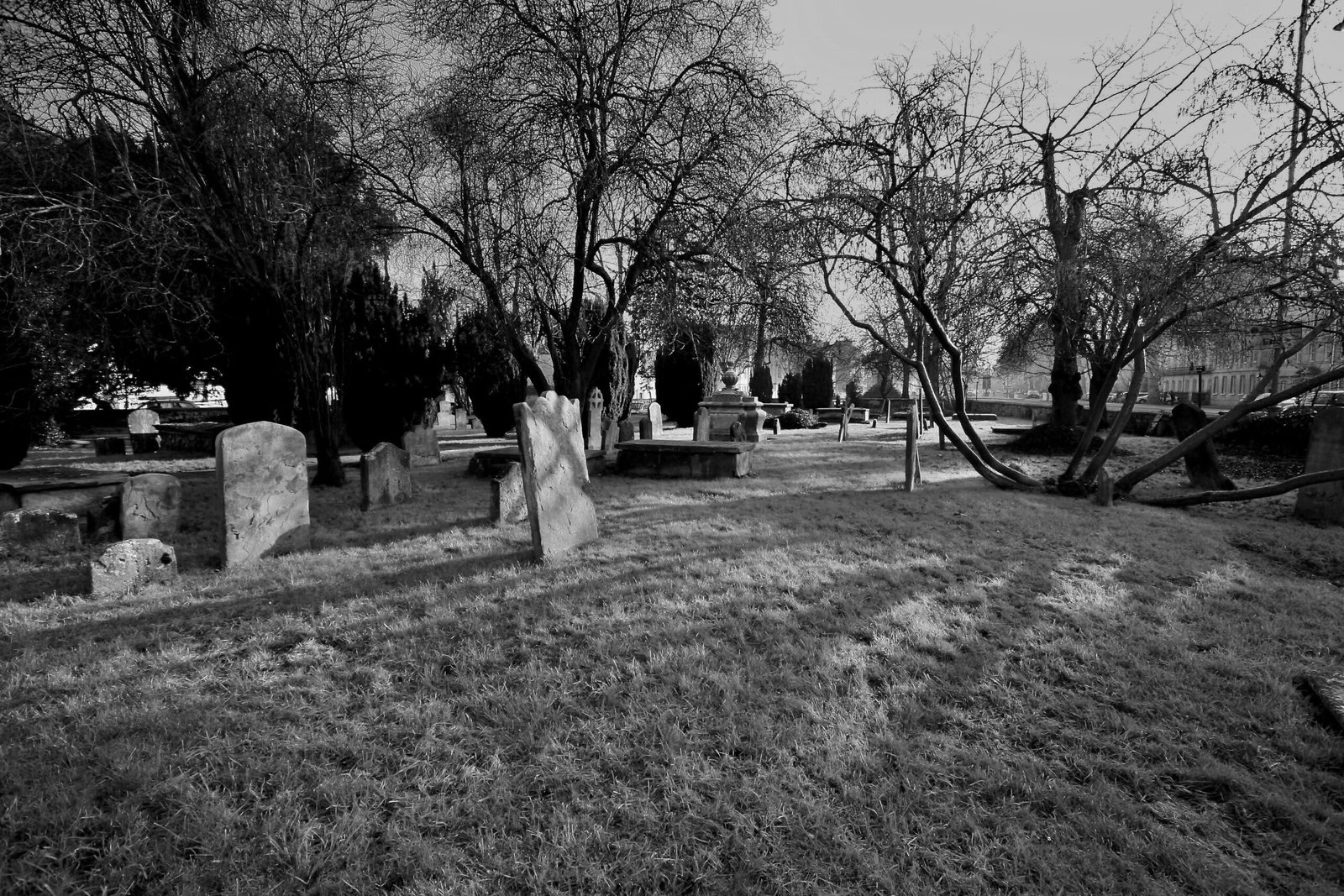
Death is the inevitable reality every soul will face. It is not the end but the beginning of a journey to the eternal abode. In Islam, this departure from the world is accompanied by dignity, honor, and compassion. One of the greatest acts of kindness we can offer to a fellow Muslim is to pray the Salat al-Janazah (funeral prayer) for them.
The Salat al-Janazah is not just a ritual but a spiritual farewell, a collective plea to Allah “Al-Ghafūr“ (The Most Forgiving) to forgive, have mercy, and grant peace to the deceased. It unites the Muslim community in compassion and serves as a solemn reminder of our own mortality.
The Prophet Muhammad ﷺ said:
“Visit the graves, for indeed they remind you of the Hereafter.” (Sunan Ibn Majah 1569)
The Salat al-Janazah (funeral prayer), washing the deceased, and burial rites are among the most dignified duties that Muslims perform for one another. An act filled with mercy, reward, and communal unity. For many, the Salat al-Janazah (funeral prayer) can feel intimidating. The silent recitations, the specific takbeers, the fear of making a mistake, it can keep some from participating in this immense act of worship. But what if you could approach this prayer with confidence and tranquility? What if you understood not just the “how,” but the “why” behind every action, feeling the profound connection to the Sunnah of our Prophet Muhammad (ﷺ)?
Let your intention be sincere. You are about to learn one of the most beautiful and rewarding acts of worship in Islam, a final gift you can offer your brother or sister in faith.
Table of Contents
Six Rights of a Muslim Over Another Muslim
The Salat al-Janazah (funeral prayer), the procession, and the burial are all enshrined within the general framework of the mutual rights and obligations among believers. The funeral rites represent the final and most essential of the six core rights. The Prophet ﷺ said:
“The Muslim has six courtesies due from the Muslim.” (Sunan Ibn Majah 1433)
| Six Rights | Applicability to Janazah/Burial |
|---|---|
1. When you meet him, give him the greeting of peace (Salām) |
Applicable in life. |
2. When he invites you, accept the invitation. |
Applicable in life. |
3. When he asks for your advice, advise him. |
Applicable in life. |
4. When he sneezes and praises Allah, invoke mercy for him (Yarḥamuk Allāh). |
Applicable in life. |
5. When he falls sick, visit him. |
Applicable in life (before death). |
6. When he dies, follow his funeral. |
AFTER DEATH: The Janazah Prayer and Burial. |
The duty to follow the funeral is thus established as the final, non-negotiable right we owe to our Muslim brother or sister. To ignore this right is to neglect the sacred bond of Imān (Faith).
The Ruling, Virtue, and Wisdom of Salat al-Janazah
The Salat al-janazah (funeral prayer) is distinct from the five daily prayers in its form, requirement, and function. It is purely a Du’a (Supplication). A heartfelt, collective supplication on behalf of the deceased, pleading to Allah for His mercy, forgiveness, and admission into Jannah. Understanding its unique place in Islam is the first step toward performing it correctly and sincerely. The Prophet (ﷺ) said:
“If any Muslim dies and forty men associate nothing with Allah stand over his bier. Allah will accept them as intercessors for him.” (Sunan Abi Dawud 3170)
A. The Juridical Ruling: Fard Kifayah (Communal Obligation)
Salat al-Janazah is considered Fard Kifayah (a communal obligation). This means:
If a sufficient number of people perform it, the obligation is lifted from the entire Muslim community. The community is collectively rewarded.
If no one in the community performs it, everyone who knew about the death and was able to attend is considered sinful.
Praying the Salat al-Janazah (funeral prayer) is permissible for both men and women. But women should not follow the funeral procession to the graveyard. Also women are not allowed to visit graves.
This ruling highlights Islam’s emphasis on communal solidarity and accountability. The responsibility for the deceased’s final rites rests on the shoulders of the collective believers.
B. The Prophetic Virtue: A Qīrāt or Two
The Prophet Muhammad (peace be upon him) attached an immense, tangible reward to attending the funeral prayer and burial. This reward is famously quantified as the Qīrāt.
Authentic Narration:
Abu Hurayrah (RA) reported that the Messenger of Allah (peace be upon him) said:
“Whoever attends the funeral until the Salat al-Janazah (funeral prayer) is offered will have one Qīrāt, and whoever attends until the burial is completed will have two Qīrāt.”
He was asked, “What are the two Qīrāt?” He replied, “They are like two huge mountains.” (Sahih Bukhari 1325)
This single Hadith serves as the primary and most powerful motivation. A Qīrāt (often likened to Mount Uhud in size) is a measure of reward so vast it is almost unimaginable. To attain two of them simply by attending the funeral prayer and the burial procession underscores the incredible value Allah places on this simple act of communal duty.
C. The Profound Wisdom Behind the Salat al-Janazah (funeral prayer)
Why is the funeral prayer so important, and why is its form so unique?
A Prayer of Intercession (Shafa’ah): The primary purpose is not to pray for the deceased’s soul directly, but to pray to Allah on their behalf, asking Him to forgive their sins, have mercy on them, and elevate their status. It is a collective plea for Divine forgiveness.
Bearing Witness: The congregation standing in rows serves as a final witness. There are narrations where the companions would praise the deceased, and the Prophet (PBUH) would say, “It is confirmed.” This collective praise is a form of communal testimony regarding the person’s apparent piety.
A Reminder for the Living: Standing before a deceased body, with no Ruku’ (bowing) or Sujūd (prostration), is a stark, silent, and powerful reminder of the ephemeral nature of this life and the inevitability of death. It forces the living to reflect on their own final moments and prepare for the Hereafter. The Prophet ﷺ said:
“Frequently remember the destroyer of pleasures — Meaning death.”
(Jami` at-Tirmidhi 2307)Community Support: The act itself is a profound source of solace for the bereaved family, showing them they are not alone and that their loved one is being honored by the community.
Preparing for Salat al-Janazah (funeral prayer) (Ghusl, Kafan, and Funeral Arrangements)
1. Washing the Deceased (Ghusl al-Mayyit)
It is Sunnah for the close relatives or trustworthy Muslims to wash the deceased.
The Prophet ﷺ said:
“He who washes a dead body and conceals what he notices of physical defects, he will be forgiven forty times.” (Riyad as-Salihin 928)
How to Perform Ghusl (Simplified Sunnah Method):
Place the body on a clean surface, ensuring modesty by covering the ‘awrah.
Wash the private parts with a cloth (not by hand directly).
Perform wudu (ablution) for the deceased as done in Salah.
Wash the entire body three or five times (odd number preferred) containing lote leaves (sidr).
Use camphor or scented water in the final wash.
When the Prophet’s daughter Zaynab died, he said:
“Wash her thrice or five times or more, if you see it necessary, with water and Sidr and then apply camphor or some camphor at the end; and when you finish, notify me.” (Sahih al-Bukhari 1253)
2. Shrouding the Deceased (Kafan)
Men: The Sunnah is three white sheets of cloth without a shirt or turban. (Sahih al-Bukhari 1264)
Women: The Sunnah is five pieces: a head-cover (khimār), a shift (qamīs), a wrapper (izār), and two larger sheets.. (Sunan Abi Dawud 3157)
The Prophet ﷺ said:
“When one of you shrouds his brother, let him do it well.”
(Sahih Muslim 943)
- Exception (The Martyr – Shahīd): A person killed in battle for the sake of Allah “The Most High” is not washed and not shrouded in new cloths. They are buried in the clothing they died in, as the Prophet (PBUH) ordered for the martyrs of Uhud. Their blood remains on them, bearing witness for them on the Day of Judgment. (Sunan Abi Dawud 3135: Sahih al-Bukhari 2803)
3. Carrying and Attending the Janazah
It is obligatory to carry the deceased and the Prophet ﷺ encouraged Muslims to attend the Salat al-Janazah (funeral prayer) and funeral procession.
“Whoever attends the funeral until the Salat al-Janazah (funeral prayer) is offered will have one qirat, and whoever attends until the burial is completed will have two qirats of reward.”
They asked, “What are two qirats?”
He ﷺ said, “Like two great mountains.”
(Sahih Muslim 945)
This profound hadith highlights the immense spiritual value in participating.
4. Etiquette during the Janazah (Funeral) procession
It is not permitted to follow Janazah in manners that go against the Shari`ah. That includes:
- Loud Dhikr and Conversation
- Follow the funeral with incense or fire
- Crying or Weeping in loud voice
Step-by-Step Guide to Salat al-Janazah (funeral prayer) Procedure
A. Prerequisites: Purity and Intention
Before beginning the prayer, the following prerequisites must be met:
Ritual Purity (Taharah): The one praying must be in a state of wudu’ (ablution) and clothes should be clean from impurities..
Covering the ‘Awrah: The required parts of the body must be covered.
Facing the Qiblah: The congregation must face the Ka’bah in Makkah.
Intention (Niyyah): The intention must be made in the heart to pray Salat al-Janazah for the sake of Allah (SWT) and for the deceased person.
B. Positioning of the Imam and the Congregation
This is a key point of practice that many are unaware of.
If the deceased is a male: The Imam stands level with the HEAD of the deceased.
If the deceased is a female: The Imam stands level with the MID-SECTION (waist) of the deceased. (Sunan Ibn Majah 1494)
C. The Four Pillars: The Four Takbīrāt
The entire prayer consists of standing and pronouncing four Takbīrāt (saying ‘Allahu Akbar’), which act as markers for the different parts of the recitation.
| Step | Action/Recitation | Primary Intention/Focus |
|---|---|---|
1st Takbīr |
The Opening Takbīr (Takbīrat al-Ihrām) |
Initiating the Prayer & recite Surah al-Fatihah |
2nd Takbīr |
Recitation of Salāt al-Ibrāhīmiyyah |
Sending Blessings upon the Prophet (PBUH) |
3rd Takbīr |
Recitation of the Du’a for the Deceased |
Supplicating for the Deceased |
4th Takbīr |
Take a brief pause after takbir |
Conclude the prayer with Tasleem on the right side |
Detailed Recitation After Each Takbīr
1. First Takbeer (Allahu Akbar)
Raise your hands and say “Allahu Akbar”.
Fold your hands (right over left) as in regular Salah.
Seek refuge with Allah from the accursed Shaytan, then you say Bismillah ir-Rahman ir-Rahim and recite Surah Al-Fatihah silently (some scholars recommend it, while others say it’s not necessary).
2. Second Takbeer
Say “Allahu Akbar” again.
Send blessings upon the Prophet (ﷺ) by reciting:
اللَّهُمَّ صَلِّ عَلَىٰ مُحَمَّدٍ وَعَلَىٰ آلِ مُحَمَّدٍ كَمَا صَلَّيْتَ عَلَىٰ إِبْرَاهِيمَ وَعَلَىٰ آلِ إِبْرَاهِيمَ إِنَّكَ حَمِيدٌ مَجِيدٌ
اللَّهُمَّ بَارِكْ عَلَىٰ مُحَمَّدٍ وَعَلَىٰ آلِ مُحَمَّدٍ كَمَا بَارَكْتَ عَلَىٰ إِبْرَاهِيمَ وَعَلَىٰ آلِ إِبْرَاهِيمَ إِنَّكَ حَمِيدٌ مَجِيدٌ
- Transliteration:
“Allahumma salli ‘ala Muhammadin wa ‘ala aali Muhammadin kama sallaita ‘ala Ibraheema wa ‘ala aali Ibraheema innaka hameedum majeed.
Allahumma barik ‘ala Muhammadin wa ‘ala aali Muhammadin kama barakta ‘ala Ibraheema wa ‘ala aali Ibraheema innaka hameedum majeed.”
3. Third Takbeer
Say “Allahu Akbar” again.
Make dua for the deceased. The most authentic supplication is:
اللَّهُمَّ اغْفِرْ لِحَيِّنَا وَمَيِّتِنَا وَشَاهِدِنَا وَغَائِبِنَا وَصَغِيرِنَا وَكَبِيرِنَا وَذَكَرِنَا وَأُنْثَانَا اللَّهُمَّ مَنْ أَحْيَيْتَهُ مِنَّا فَأَحْيِهِ عَلَى الإِسْلاَمِ وَمَنْ
تَوَفَّيْتَهُ مِنَّا فَتَوَفَّهُ عَلَى الإِيمَانِ اللَّهُمَّ لاَ تَحْرِمْنَا أَجْرَهُ وَلاَ تُضِلَّنَا بَعْدَهُ ” .
- Transliteration:
“Allahumma ighfir lihayyina wa mayyitina wa shahidina wa ghaibina wa saghirina wa kabirina wa dhakarina wa unthana.
Allaahumma man ahyaytahu minna fa ahyihi ‘ala’l-Islam wa man tawaffaytahu minna fa tawaffahu ‘ala’l-iman. Allahumma la tahrimna ajrahu wa la tadillana ba’dahu.”
- Meaning:
“Oh Allah, forgive our living and our dead, those present and those absent, our young and our old, our males and our females. O Allah, whom among us You keep alive, then let such a life be upon Islam, and whom among us You take unto Yourself, then let such a death be upon faith. O Allah, do not deprive us of his reward and do not let us stray after him.” (Sunan Ibn Majah 1498)
4. Fourth Takbeer
Say “Allahu Akbar” one last time.
Pause briefly, then say “Assalamu alaykum wa rahmatullah” to the right and left to end the prayer.
Sunnah Etiquettes of Burial
1. Lowering the Body into the Grave
The Prophet ﷺ said when placing a body:
بِسْمِ اللَّهِ وَعَلَى سُنَّةِ رَسُولِ اللَّهِ
“Bismillāhi wa ‘alā sunnati Rasūlillāh.”
(Abu Dawood 3213 )
Translation:
“In the name of Allah and upon the way of the Messenger of Allah.”
2. Positioning the Body
- Lay the deceased on their right side
- Facing the Qiblah
- For women, only mahrams and close family may lower the body.
3. Filling the Grave with Soil
It is Sunnah to place three handfuls of soil.
The Prophet ﷺ threw three handfuls of soil on a grave. (Sunan Ibn Majah 1565)
4. After Burial — Make Dua for the Deceased
The Prophet ﷺ said after burial:
“Seek forgiveness for your brother and ask Allah for him to be made steadfast, for he is now being questioned.” (Abu Dawood 3221)
This is the time to make heartfelt dua
Authentic Duas for the Deceased & Protection from Grave Punishment
For an Adult:
- Transliteration:
“Allāhumma’ghfir lahu warḥamh, wa `āfihi, wa`fu `anh, wa akrim nuzulah, wa wassi` mudkhalah, wagh’silhu bi ‘lmā’i wath-thalji walbarad, wa naqqihi mina ‘l-khaṭāyā kamā naqqaytath-thawba ‘l-abyaḍa minad-danas, wa abdilhu dāran khayran min dārih, wa ahlan khayran min ahlih, wa zawjan khayran min zawjih, wa adkhilhu ‘l-jannah, wa a`idhhu min `adhābi ‘l-qabri [wa `adhābin-nār].”
- Meaning:
“O Allah, forgive him and have mercy on him, and give him strength and pardon him. Be generous to him, and cause his entrance to be wide, and wash him with water and snow and hail. Cleanse him of his transgressions as white cloth is cleansed of stains. Give him an abode better than his home, and a family better than his family, and a wife better than his wife. Take him into Paradise, and protect him from the punishment of the grave [and from the punishment of Hell-fire].” (Sahih Muslim 963a)
- Transliteration:
“Allāhumma’ghfir liḥayyinā, wa mayyitinā, wa shāhidinā, wa ghā’ibinā, wa ṣaghīrinā wa kabīrinā, wa dhakarinā wa unthānā. Allāhumma man aḥyaytahu minnā fa aḥyihi `ala ‘l-Islām, wa man tawaffaytahu minnā fatawaffahu `alal-īmān, Allāhumma lā taḥrimnā ajrah wa lā tuḍillanā ba`dah.”
- Meaning:
“O Allah forgive our living and our dead, those who are with us and those who are absent, our young and our old, our menfolk and our womenfolk. O Allah, whomever you give life from among us give him life in Islam, and whomever you take away from us take him away in Faith. O Allah, do not forbid us their reward and do not send us astray after them.” (Sunan Abi Dawud 3201)
- Transliteration:
“Allāhumma inna [name the person] fī dhimmatik, wa ḥabli jiwārik, faqihi min fitnati ‘l-qabri wa `adhābin-nār, wa anta ahlu ‘l-wafā’i wa ‘l-ḥaqq. Faghfir lahu warḥamh innaka anta ‘l-Ghafūrur-Raḥīm.”
- Meaning:
“O Allah, surely [name the person] is under Your protection, and in the rope of Your security, so save him from the trial of the grave and from the punishment of the Fire. You fulfill promises and grant rights, so forgive him and have mercy on him. Surely You are Most Forgiving, Most Merciful.” (Hisn al-Muslim 158)
For a Child:
- Transliteration:
“Allāhumma ‘j`alhu faraṭan wa dhukhran liwālidayh, wa shafī`an mujāban. Allāhumma thaqqil bihi mawāzīnahumā wa a`ẓim bihi ujūrahumā, wa alḥiqhu biṣāliḥi ‘l-mu’minīn, waj`alhu fī kafālati Ibrāhīm, wa qihi biraḥmatika `adhāba ‘l-jaḥīm, wa abdilhu dāran khayran min dārih, wa ahlan khayran min ahlih, Allāhumma’ghfir li aslāfinā wa afrāṭinā wa man sabaqanā bil īmān.”
- Meaning:
“O Allah, make him a precursor, a forerunner and a treasure for his parents and an answered intercessor. O Allah, make him weigh heavily in their scales (of good) and magnify their reward. Make him join the righteous of the believers. Place him in the care of Ibrahim. Save him by Your mercy from the torment of Hell. Give him a home better than his home, and a family better than his family. O Allah, forgive those who have gone (i.e. passed away) before us, our children lost (by death), and those who have preceded us in Faith.” (Hisn al-Muslim 160)
- Transliteration:
“Allāhumma’j`alhu lanā faraṭan, wa salafan, wa ajra.”
- Meaning:
“O Allah, make him for us a precursor, a forerunner and a cause of reward.” (Hisn al-Muslim 161)
It is highly recommended to supplicate profusely for the deceased, not limiting oneself to one or two short sentences. The Prophet (ﷺ) said:
“When you pray over the dead, make a sincere supplication for him. ” (Sunan Abi Dawud 3199)
Etiquettes of Visiting the Graveyard
When entering the graveyard, The Prophet (ﷺ) taught his companions to say:
- Transliteration:
“Al-salamu ‘alaykum ahl al-diaar min al-mu’minin wa’l-Muslimin, wa inna in sha Allah lalahiqun. As-alu Allah lana wa lakum al-‘afiyah”
- Meaning:
“Peace be upon you, O inhabitants of the graves, believers and Muslims. Verily we will, in sha Allah, join you. I ask Allah for well-being for us and for you.” (Sahih Muslim 974a)
Do’s:
Stand with humility and silence.
Make dua for the deceased for forgiveness stand facing the Qiblah, with the grave at their side.
Contemplate your own mortality.
Don’ts:
No crying loudly or wailing.
- Following it with incense (Bukhur) etc.
Avoid photography or unnecessary conversations.
Do not sit on graves.
- Nothing of the Quran should be recited at the graveside, because this is Bid`ah. The Prophet (peace and blessings of Allah be upon him) did not do this, and neither did his noble Companions.
Rewards and Virtues of Attending Salat al-Janazah (funeral prayer) and Burial
The Prophet ﷺ emphasized the massive reward for attending a Janazah.
1. One Qirat of Reward
“Whoever attends the funeral prayer will have one qirat.”
(Sahih Bukhari 1325)
2. Two Qirats of Reward (If You Stay Until Burial)
“…and whoever stays until the burial is completed will have two qirats.”
(Sahih Muslim 945)
When asked what two qirats are:
“Like two great mountains.”
Imagine the reward Allah gives simply for participating in burial.
3. Reward for Washing the Dead
“Whoever washes a dead Muslim and conceals what he sees, Allah will forgive him forty times.”
(Riyad as-Salihin 928)
4. Reward for Making Dua for a Believer
The Prophet ﷺ said:
“A Muslim’s supplication for his brother in his absence is accepted.”
(Sahih Muslim 2733)
5. Praising the Deceased:
Bearing good witness to the deceased’s character is crucial. When a funeral passed by, and people praised the deceased, the Prophet ﷺ said:
“It is inevitable (i.e., Paradise is guaranteed for him). And when another funeral passed by, and they spoke ill of the deceased, the Prophet (peace be upon him) said, “It is inevitable (i.e., Hellfire is guaranteed for him).” (Sahih al-Bukhari 1367)
This teaches us the weight of our communal testimony and emphasizes the Sunnah of mentioning only the good qualities of the deceased to encourage a positive communal testimony.
A Journey of Faith and Remembrance
May Allah grant us the understanding to practice our Deen correctly, the patience to bear loss, and the Tawfiq to die upon Iman. May He make our graves spacious and filled with light, and may He admit us and our loved ones into the highest ranks of Jannatul Firdaus. Ameen. Allah “The almighty” says in the Quran:
“Every soul will taste death. And you will only receive your full reward on the Day of Resurrection. So he who is drawn away from the Fire and admitted to Paradise has attained [his desire]. And what is the life of this world except the enjoyment of delusion.” (Surah Ali Imran 3:185)
FAQs about funeral (Islamic Janazah)
What is the ruling on a woman going to the mosque to offer the Salat al-Janazah (funeral prayer)?
Can You Offer Salat al-Janazah (funeral prayer) in Absentia (in the absence of body)?
Ruling on offering the Salat al-Janazah (funeral prayer) in the mosque?
Are women allowed to visit the graves?
Do You Need Wudu for Salat al-Janazah (funeral prayer)?
Share with Friends & Family