Praise be to Allah, and blessings and peace be upon the Messenger of Allah.
Ever felt a regret after Ramadan, wishing you’d done more? What if I told you there’s another, even more beloved period in the Islamic calendar, a time when righteous deeds are magnified to an unimaginable degree?
Yes, you read that right. While Ramadan holds immense significance and considered most sacred month, the first ten days of Dhul Hijjah, the twelfth and final month of the Islamic lunar calendar, are considered most sacred days of the entire year by Allah. It’s a profound truth attested to in the Quran and in the Sunnah of our beloved Prophet Muhammad (peace be upon him).
Table of Contents
What is Dhul Hijjah? A Brief Overview
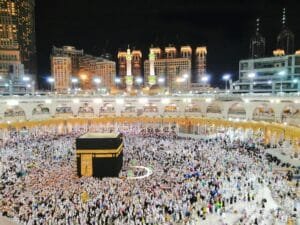
Dhul-Hijjah means ‘possessor of the pilgrimage,’ referring to the month of Hajj. It is the 12th and final month of the Islamic calendar, and it hosts monumental events like Hajj and Eid al-Adha. These ten days are the crescendo of the Islamic year, when every act of worship carries extra weight and reward. There is no month in the islamic calendar where convergence of good deeds includes prayer, fasting, charity, Hajj, day of Arafah, Eid al-Adha and offering Sacrifice (Qurbani/Udhiya).
The Divine Virtue: Why Allah Loves These First 10 Days of Dhul Hijjah
1. Allah Swears by These Days in the Quran
Allah Almighty elevates the status of these days by swearing an oath by them in Surah Al-Fajr:
“By the dawn, and by the ten nights…”
(Quran 89:1-2)
- Many scholars, including Ibn Kathir and Ibn Abbas, confirm that “the ten nights” refer to the first ten nights of Dhul Hijjah. When Allah swears by something, it’s a sign of its immense importance.
2. The Prophet testimony that these Days Are Better Than All Other Days of the Year
Ibn ‘Abbas (رضي الله عنه) reported:
“The Prophet (ﷺ) said, ‘No good deeds done on other days are superior to those done on these (first ten days of Dhul Hijjah).’ The companions asked, ‘Not even Jihad?’ He replied, ‘Not even Jihad, except for a man who goes out with his life and wealth and does not return with either.” (Sahih Bukhari 969)
- This Hadith establishes that even jihad (in the path of Allah) is surpassed by righteous deeds in these days, except for the one who is martyred.
3. The Day of Arafah: The Crown Jewel of These Ten Days
The 9th day of Dhul Hijjah (Yawm al-Arafah) hailed as the best day of the year. It’s on this day that Allah perfected His religion. The Prophet (peace be upon him) said:
“There is no day on which Allah frees more people from the Hell-Fire than the Day of Arafah. He comes close and expresses His pride to the angels, saying: ‘What do these people want?” (Sahih Muslim 1348)
- Fasting on this day is a powerful expiation for sins, as the Prophet (peace be upon him) stated:
I seek from Allah that fasting on the day of Arafah may atone for the sins of the preceding and the coming year. (Sahih Muslim 1162a)
4. Eid al-Adha and the Days of Tashreeq
The 10th of Dhul Hijjah marks Eid al-Adha, the Festival of Sacrifice, followed by the Days of Tashreeq (11th, 12th, and 13th of Dhul Hijjah). These days are also filled with immense blessings and specific acts of worship. The Prophet (peace be upon him) said:
“The best of days to Allah is the day of sacrifice (Yawm al-Nahr).” (Sunan Abi Dawud 1945)
Action Plan for First 10 Days of Dhul Hijjah
| Day | Significance | Ideal Worship |
|---|---|---|
1 – 7th |
Preparation |
Fasting, Prayer, Dhikr |
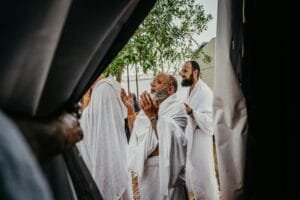
8th | Yawm al-Tarwiyah (start of Hajj) | Ihram, intention (For Hajji) / Fasting (Non Hajji) |
9th | Day of Arafah | Fast (for non-pilgrims), forgiveness |
10th | Eid al-Adha | Sacrifice (Qurbani), charity |
Best Acts of Worship in the First 10 Days of Dhul Hijjah
1. Sincere Repentance (Tawbah)
Start by purifying your heart and turning to Allah with sincere repentance for all your sins. This is the foundation upon which all other good deeds are built. Resolve to abandon past wrongdoings and embrace a new chapter of obedience. Allah, may He be exalted, says (interpretation of the meaning):
“Say: O ‘Ibaadi (My slaves) who have transgressed against themselves (by committing evil deeds and sins)! Despair not of the Mercy of Allah, verily, Allah forgives all sins. Truly, He is Oft‑Forgiving, Most Merciful”. (Quran 39:53)
- The Prophet (peace be upon him) said:
“The one who repents from sin is like one who did not sin.” (Sunan Ibn Majah 4250)
2. Fasting
It is highly recommended to fast the first nine days of Dhul Hijjah, with particular emphasis on the Day of Arafah (the 9th of Dhul Hijjah). Fasting on the 10th day (Eid al-Adha) and the three Days of Tashreeq (11th-13th Dhul Hijjah) is prohibited.
3. Increased Dhikr (Remembrance of Allah)
Engage in abundant remembrance of Allah through various forms of Dhikr. The Prophet (peace be upon him) particularly emphasized:
“Increase in them your saying of: Subhan Allah, Al hamdu lilah, La ilaha illa Allah, Allahu Akbar, and Subhan Allah.” (Riyad as-Salihin 1440)
Takbeer (Allahu Akbar): Proclaiming Allah’s greatness. This should be recited frequently, loudly for men and quietly for women, from the first day of Dhul Hijjah until the end of the Days of Tashreeq (13th Dhul Hijjah).
Tahleel (La ilaha illa Allah): Declaring the Oneness of Allah.
Tahmeed (Alhamdulillah): Praising Allah.
Tasbeeh (SubhanAllah): Glorifying Allah.
Make it a habit to recite these blessed words in your homes, on the streets, and wherever permissible.
4. Qur’an Recitation
Connect with the Holy Quran. Read, reflect on its meanings, and strive to implement its teachings in your life. The Prophet (peace be upon him) said:
“Whoever reads a letter from the Book of Allah, he will have a reward, and that reward will be multiplied by ten.” (Jami’ at-Tirmidhi 2910)
5. Praying voluntary Prayers (Nawafil)
Beyond the obligatory five daily prayers, increase your voluntary prayers. This includes:
Sunnah prayers: The regular optional prayers before or after the obligatory ones.
Nawafil (supererogatory prayers): Such as Duha (mid-morning) prayer, Awwabeen (after Maghrib) prayer.
Qiyam al-Layl (Tahajjud): The night prayer is particularly emphasized. The Prophet (peace be upon him) said:
“The best prayer after the obligatory prayers is the night prayer.”(Sahih Muslim, 1163a)
6. Making Abundant Du’a (Supplication)
The first ten days of Dhul Hijjah, especially the Day of Arafah, are prime times for making heartfelt supplications. Pour out your heart to Allah, asking for forgiveness, guidance, health, provision, and anything good in this life and the Hereafter.
The Prophet (peace be upon him) said: “The best supplication is the supplication of Arafah.” (Jami at-Tirmidhi, 3585)
7. Giving Charity (Sadaqah)
Charity is a powerful deed that cleanses wealth, purifies the soul, and brings immense rewards, especially during these blessed days. No amount is too small; sincere intention is key.
8. Offering Udhiyah/Qurbani (Sacrifice)
For those who are able, offering a sacrifice (Qurbani/Udhiyah) on Eid al-Adha is a highly emphasized Sunnah, commemorating Prophet Ibrahim’s (peace be upon him) devotion. It’s a way to draw closer to Allah and feed the poor and needy. Allah says:
“So pray to your Lord and sacrifice.”
(Quran 108:2)
9. Maintaining Kinship Ties and Good Conduct
Strengthening family bonds, visiting relatives, forgiving those who have wronged you, and generally improving your character are all highly rewarded acts. The Prophet (peace be upon him) stressed the importance of good manners.
Best Deeds to Perform in First 10 Days of Dhul Hijjah for Non pilgrims and pilgrims
| For Non Pilgrims | For Pilgrims |
|---|---|
1. Takbeer (Allahu Akbar), Tahmeed (Alhamdulillah), Tahleel (La ilaha illa Allah) – Increase remembrance. | 1. Ihram & Talbiyah – Continuously reciting Labbayk Allahumma Labbayk. |
2. Fasting (especially on the 9th) – Expiation of two years of sins. | 2. Standing at Arafah – The essence of Hajj. |
3. Qurbani (Sacrifice) – If financially able. | 3. Sacrificing an Animal (Udhiyah) – Sunnah of Prophet Ibrahim (AS). |
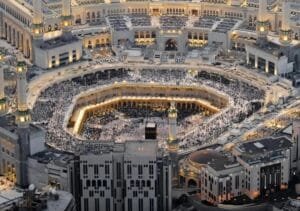
4. Increased Prayer, Quran, & Charity – Every deed is multiplied. | 4. Tawaf & Sa’i – Circling the Kaaba and walking between Safa & Marwah. |
Comparing Dhul Hijjah to Ramadan: Which is Greater?
| Criterion | Last 10 Nights of Ramadan | First 10 Days of Dhul Hijjah |
|---|---|---|
Best Time for Worship | Nights | Days |
Special Night | Laylatul Qadr | Day of Arafah |
Annual Event | Ramadan | Hajj |
Most Loved by Allah | Nights (for prayer) | Days (for deeds) |
Both of these months are full of blessings and provide great reward for muslim worshippers.
Days of Dhul Hijjah are more beloved in terms of overall good deeds.
Nights of Ramadan still house the most powerful individual night (Laylatul Qadr).
Seize the Opportunity Before It’s Gone!
The Prophet ﷺ described these ten days as more beloved to Allah than any other days of the year. Whether you’re embarking on Hajj or staying at home, these days are not meant to be ordinary—they’re meant to elevate your soul.
“Race toward forgiveness from your Lord and a Paradise as wide as the heavens and earth, prepared for righteous…” (Quran 3:133)
Don’t let this golden period pass you by. Plan your acts of worship, set achievable goals, and engage with sincerity and devotion. May Allah accept our deeds, forgive our sins, and grant us the immense blessings of these most beloved days. Ameen.